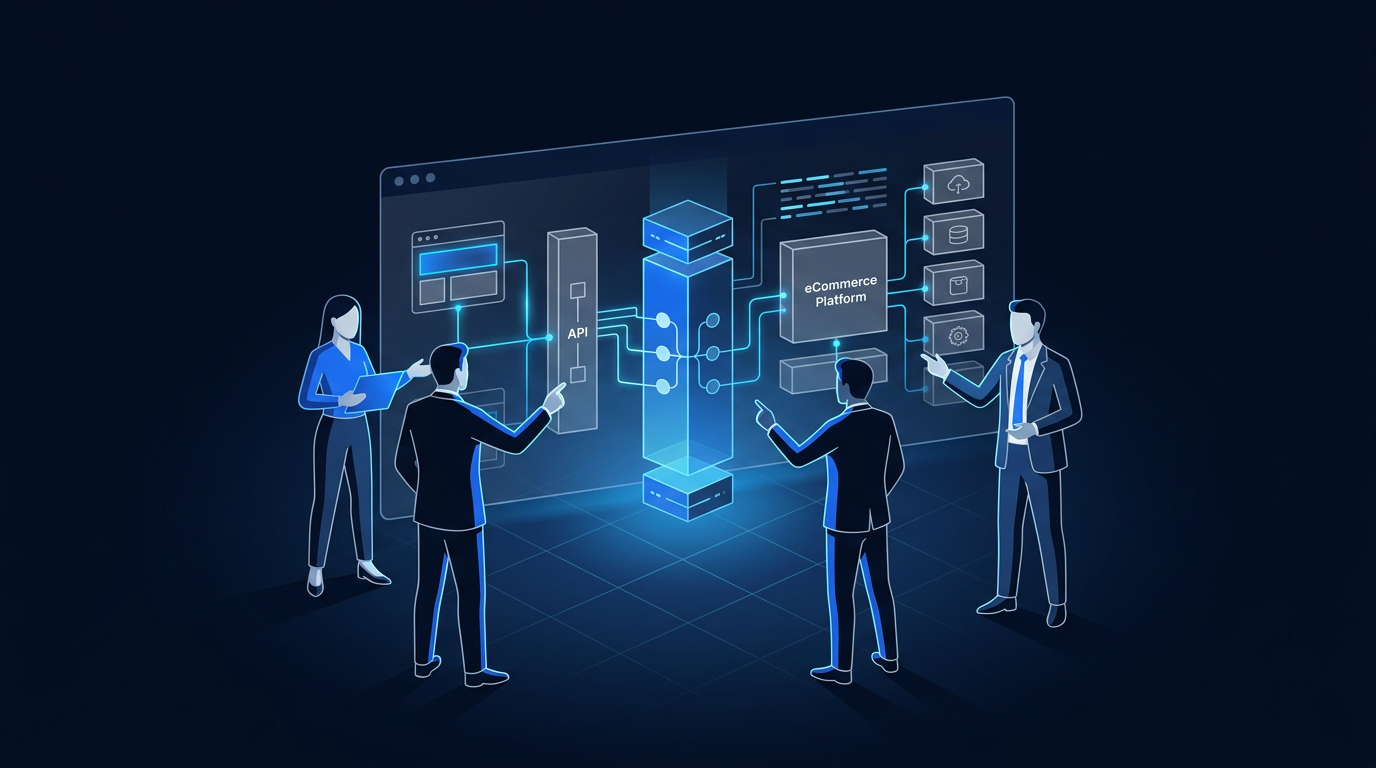
Best Headless Shopify Agency for Enterprise eCommerce in 2026
The best headless Shopify agency for enterprise eCommerce blends Hydrogen/Oxygen expertise with rigorous SRE and SEO-safe migrations. In 2026, composable stacks, Checkout Extensibility, and Functions change how Plus brands scale. This guide shows how to shortlist agencies, what services to demand, and which KPIs to hold them to—so you avoid replatform risk and ship revenue faster.
Key takeaways
- Headless fits enterprises prioritizing performance, scale, and omnichannel. It is overkill for simple catalogs and limited teams.
- Demand Hydrogen/Oxygen depth, Core Web Vitals SLAs, SOC 2 alignment, and 24/7 SRE support.
- Use discovery spikes, architectural diagrams, and migration dry-runs to de-risk before committing.
- Target LCP under 2.5s, TTFB near-edge under 100 ms, and SEO parity on day one with URL and canonical rigor.
- Pick agencies fluent in composable integrations like Contentful or Sanity, Algolia, Klaviyo, and CDPs.
What Is a Headless Shopify Architecture and Why It Matters in 2026
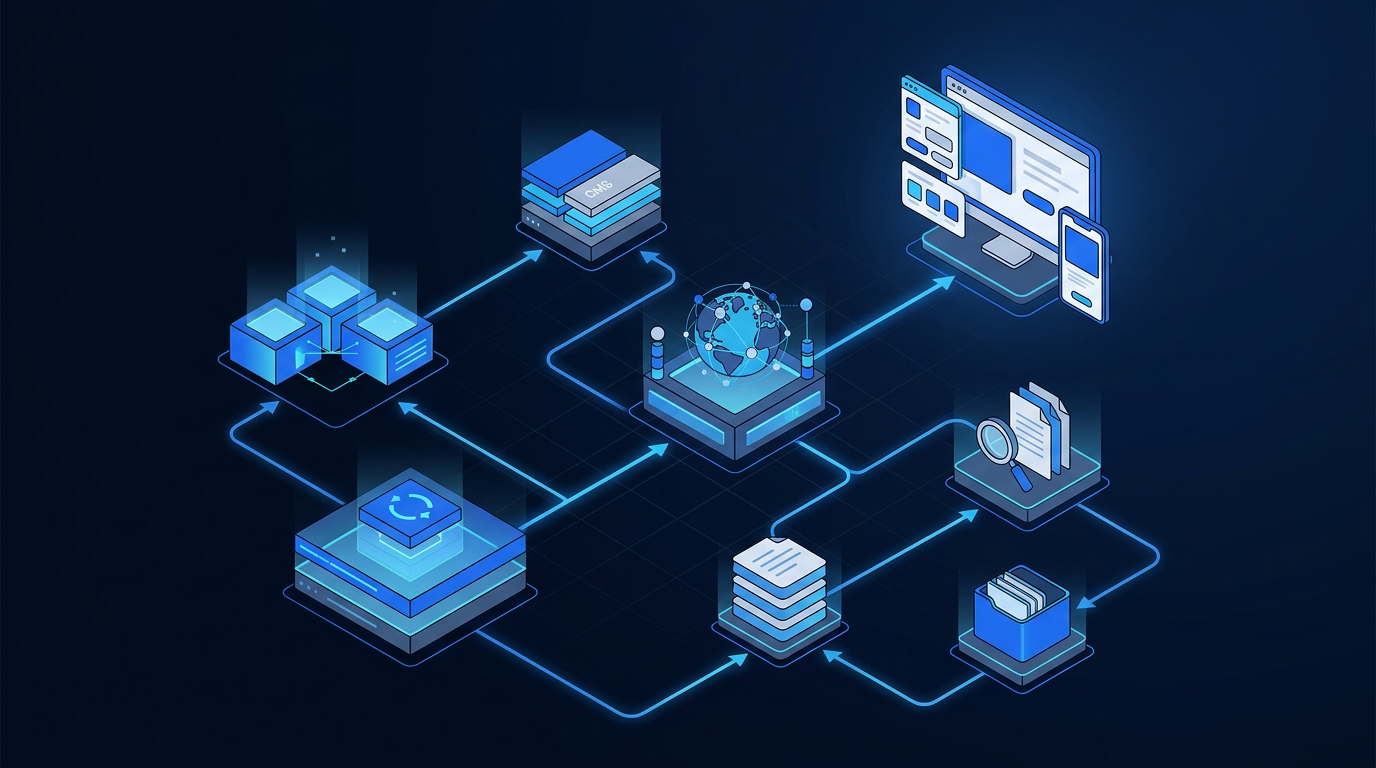
A headless Shopify architecture decouples the storefront presentation layer from Shopify’s commerce engine. Shopify Plus handles products, pricing, checkout, and orders. A custom frontend—often Hydrogen with server components—renders at the edge via Oxygen or a compatible platform. The result is a programmable UX, faster, and safer integrations across channels.
Headless differs from theme-based Shopify because Liquid themes are tightly bound to the Shopify runtime and templating. In headless, the frontend fetches data via the Storefront API. This separation allows code-splitting, edge caching, and a modern component library. It also enables unified content from a CMS and richer merchandising than the theme layer alone.
For enterprises, benefits accrue in scalability and performance. Edge rendering cuts latency. Composable services tailor search, PIM, and CDP without monolith constraints. Teams ship faster through autonomous services and CI. Omnichannel experiences reuse content models for web, app, retail screens, and marketplaces while preserving governance and compliance.
Trends in 2026 favor headless maturity. Hydrogen 3 and Oxygen deliver server components, streaming, and granular edge caching. Shopify Functions replace brittle scripts for discounts and logic. Composable commerce is standard: CMS, PIM, CDP, and search are modular, wired through APIs. Checkout Extensibility centralizes upgrades that survive core updates.
Headless is right if you need multi-region performance, complex merchandising, or cross-channel content. It is wrong if your catalog is simple, budgets are tight, and the team lacks frontend depth. If a theme plus Shopify Markets achieves goals, keep it simple. Adopt headless when the ROI model shows clear gains in speed, conversion, and.
Annotated headless architecture flow: Storefront, CDN/Edge, Shopify core, CMS, search, DAM
- shopify plus vs headless: when to decouple
Get a short list: 3 vetted headless Shopify agencies for your use case (free) Submit your requirements and timeline. We’ll match you within 24–48 hours.
Key Criteria to Identify the Best Headless Shopify Agency for Enterprise eCommerce
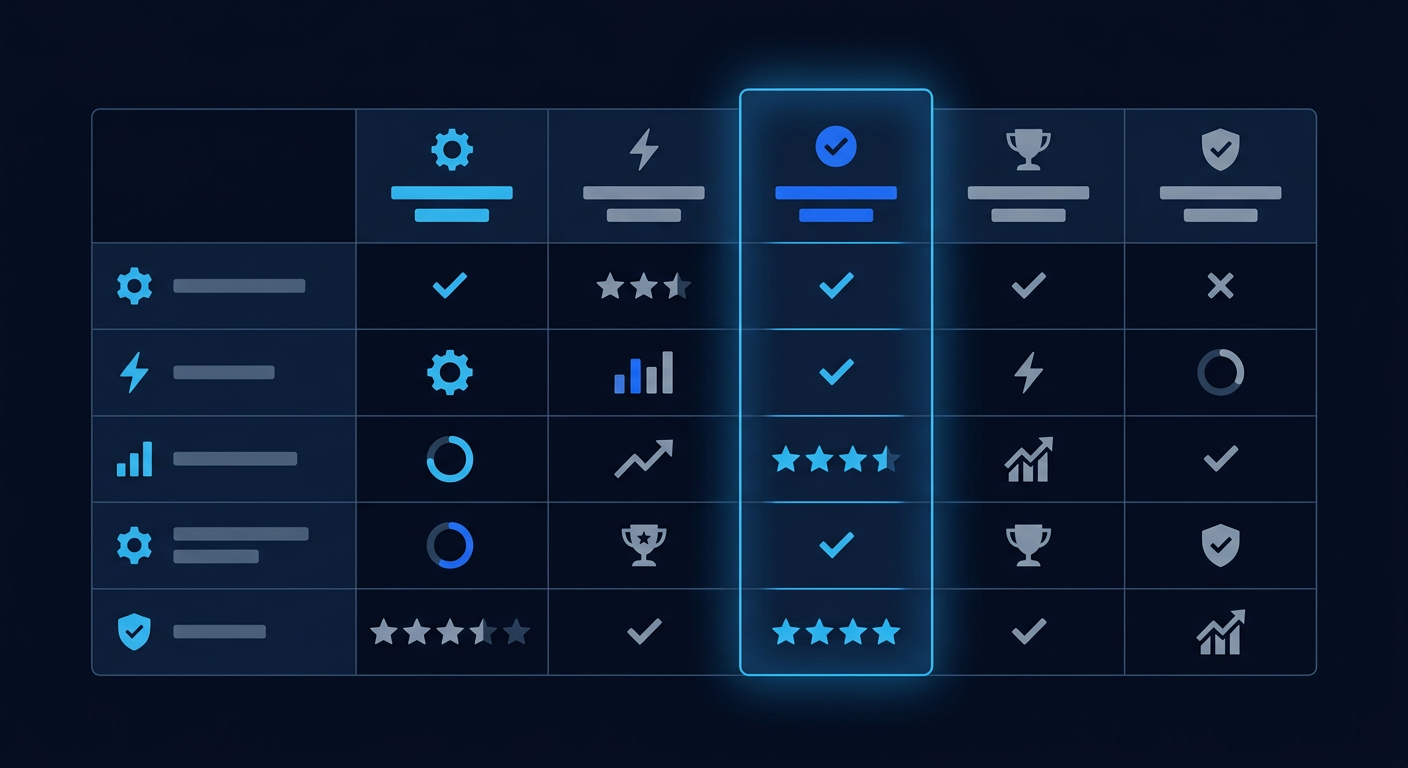
Start with evidence. Look for enterprise case studies across B2C, B2B, subscriptions, and global Markets. Verify outcomes like Core Web Vitals improvements, international rollouts, and stable migrations preserving organic traffic. Speak to references. Ask how the agency handled incidents, launch freezes, and seasonal traffic spikes.
Technical stack depth is non-negotiable. The right partner codes daily in Hydrogen and Oxygen, with Remix or Next.js where appropriate. They use TypeScript rigorously, lean on the GraphQL Storefront API efficiently, and understand rate limits. They must demonstrate server components, streaming, and edge caching strategies in production.
Composable integrations should be muscle memory. Ask for past integrations with Contentful or Sanity for CMS, Algolia for search, and PIM/DAM like Akeneo or Cloudinary. For messaging and CDP, verify Klaviyo, Segment, or mParticle experience. The agency should design data contracts, webhooks, and middleware to orchestrate reliably.
Insist on performance and Core Web Vitals commitments in the MSA. Require measurable SLAs: LCP, TTFB, CLS, and FID/INP. Ask for a performance budget per template and a regression policy. Review their caching strategy, prefetch rules, and image pipelines. Demand RUM dashboards you can see, plus weekly performance reviews.
Security and compliance cannot be bolted on. Enterprises should expect SOC 2 alignment, GDPR/CCPA readiness, and PCI scope minimization by using Shopify Checkout. Vet secrets handling, SSO for admin tools, and least-privilege access. Confirm third-party risk reviews, DPA templates, and breach notification processes.
Scalable architectures embrace edge rendering, caching tiers, and queues. The agency should propose microservices where value exists, not by default. Ask for diagrams explaining cache keys, ISR/revalidation, and fallback behavior. Verify planned protections against stampedes, cold starts, and API rate limit contention.
Design systems and accessibility are revenue-critical. Ensure WCAG 2.2 AA conformance, keyboard navigation, and focus states. The agency should build a tokenized design system in Storybook with visual regression tests. Accessible carts, modals, and error states reduce friction and support enterprise UX consistency.
Program management makes or breaks delivery. Expect structured discovery, business goals, and quantifiable KPIs. Require a roadmap with dependencies, agile ceremonies, QA gates, and UAT criteria. You want predictable sprints, transparent risk logs, and cutover plans coordinated with marketing and CX teams.
Post-launch support matters. Demand SRE coverage, 24/7 incident response, and documented runbooks. Observability should include logs, distributed traces, RUM, and synthetics. Establish SLOs, error budgets, and a change management policy. Continuous optimization sprints should target performance, SEO, and conversion.
Best for Speed: Vercel — Edge-first deployments for Hydrogen/Next.js with analytics. Best for Content Scale: Contentful — Enterprise CMS with governance and workflows. Best for Personalization: Algolia — Ultra-fast search, merchandising, and dynamic experiences.
Essential Services a Top Headless Shopify Agency Should Offer
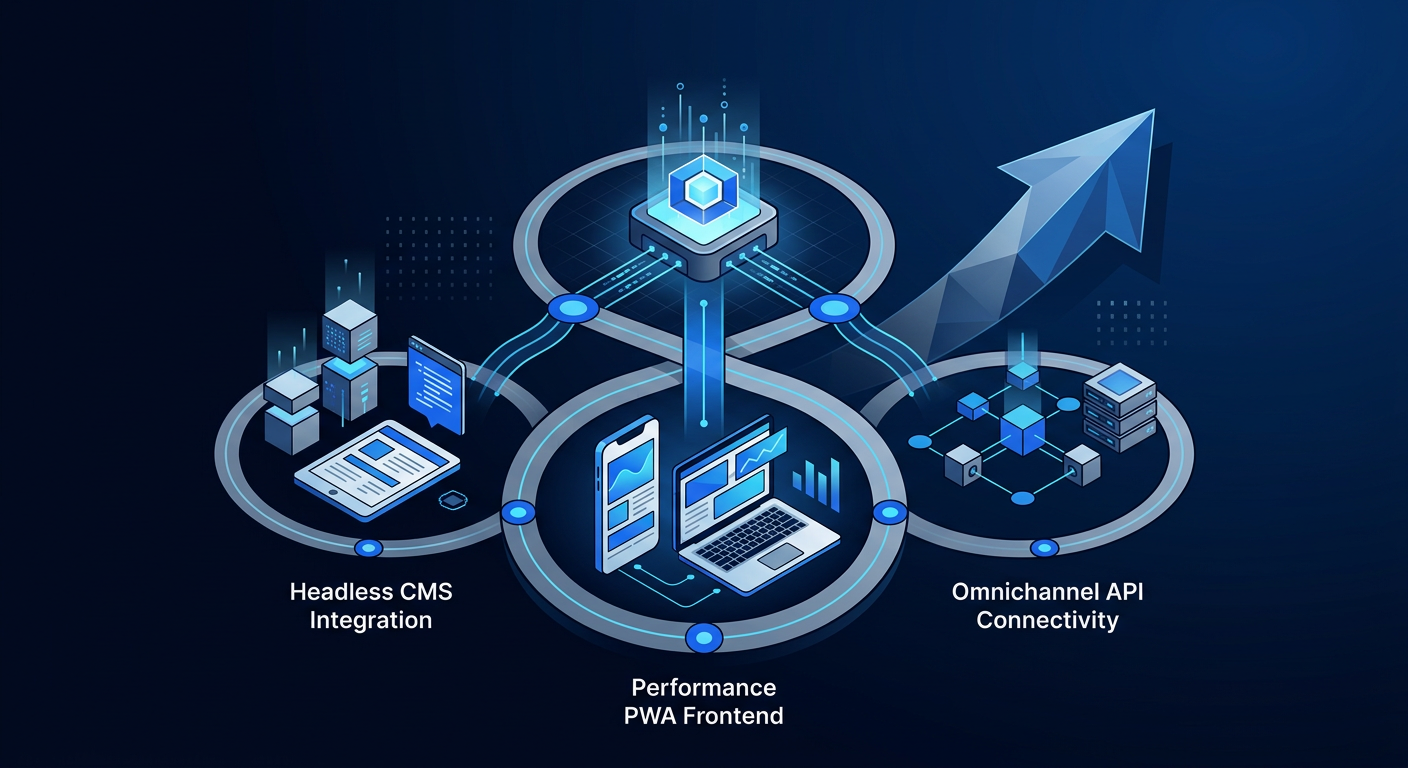
Discovery and solution architecture should anchor business goals, KPIs, and total cost of ownership. You need a current-state inventory, gap analysis, and risk register. The output is an actionable blueprint: reference architecture, backlog, performance budgets, migration scope, and a release plan each stakeholder signs off on.
Frontend engineering must leverage Hydrogen/Remix or Next.js, deployed to Oxygen or an edge runtime. Expect server components, streaming, route-level caching, and asset optimization. Component libraries live in Storybook with accessibility checks. The stack should include TypeScript, testing frameworks, and CI/CD with preview environments.
Backend integrations hinge on clean API contracts and durable middleware. The agency should orchestrate Shopify Admin, Storefront, and Functions with queues and retries. Data-flows must be idempotent and observable. Webhooks require verification and backoff. Integrations should honor vendor rate limits and fail gracefully.
CMS implementation and content modeling enable omnichannel publishing. Pages, product storytelling, and landing templates need flexible components. Localized fields, governance roles, and workflows keep global teams coordinated. Editors should preview content against environments and roll back safely.
Search, merchandising, and personalization require a deliberate schema. With Algolia, define indices, facets, synonyms, and rules to boost profitable categories. For onsite personalization, segment by behavior and inventory signals. Tie this to experimentation, so boosts, banners, and bundles are validated against revenue.
Globalization must cover multi-region hosting, multi-currency pricing, and Shopify Markets. Handle duties, taxation, and restricted SKUs. Content workflows should match locales with fallback logic. Slugs, hreflang, and structured data must reflect Markets rules. Ensure payment, tax, and shipping providers are market-appropriate.
B2B features on Shopify Plus—company profiles, price lists, sales reps, and net terms—need a robust UI. The agency should expose tiered pricing, quotes, and PO approvals. Integrations with ERP and CRM keep contracts, inventory, and fulfillment accurate. Performance remains crucial with bulk carts and large catalogs.
Migrations from legacy platforms require SEO protection. Plan URL parity, canonical strategy, and redirects. Crawl and map inventories. Freeze content near cutover and simulate caches. Dry-run launches with sandbox indexes. Monitor Search Console and logs post-launch to catch regressions early and course-correct safely.
QA automation, accessibility audits, and performance optimization are continuous. Integrate unit, integration, and tests. Automate axe-core checks. Budget per template for LCP and CLS. Track RUM KPIs and set alerting thresholds. Tie performance improvements to revenue forecasts in the optimization backlog.
Training, documentation, and enablement ensure internal teams thrive. Provide runbooks, CMS guides, and component references. Do pair-programming sessions. Record admin walkthroughs for new hires. Hand over observability dashboards with agreed SLOs. Establish a joint governance cadence across marketing, product, and engineering.
Front-end performance guide eCommerce (Next.js, Hydrogen, Remix)
- Front-end performance guide eCommerce (Next.js, Hydrogen, Remix)
Technical Deep Dive: Modern Headless Shopify Stack in 2026

Hydrogen 3 and Oxygen updates unlock server components and streaming with granular edge caching. Server components reduce client JS and improve INP. Streaming delivers content first. Oxygen’s edge runtimes allow cache segmentation by Markets, currency, and device, while preserving personalization with staged revalidation.
GraphQL Storefront API best practices keep UX smooth under load. Use cursor-based pagination to avoid deep queries. Compose fragments for products, variants, and media to reduce duplication. Batch requests when feasible and respect rate limits with retry headers. Cache immutable queries and key them by locale and currency.
Checkout Extensibility and Functions supplement the headless frontend. Functions replace legacy scripts for discounts, payment customization, and validation. Extensibility apps manage UI safely across Shopify updates. Avoid bespoke checkout forks that jeopardize PCI scope and upgrade paths. Keep logic server-side and observable.
A composable reference architecture pairs Shopify with CMS, PIM, search, CDP, payments, tax, and shipping. Contentful or Sanity model modular content. Algolia powers search and merchandising. Segment or mParticle unifies identity and events. Payment providers, tax services, and shipping carriers integrate via hardened middleware.
Observability is your guardrail. Centralize logs, traces, and metrics in tools like Datadog or New Relic. RUM captures Core Web Vitals per template and locale. Synthetic checks test critical flows from key regions. Track error budgets, and halt launches on burn-rate spikes. Add business telemetry to correlate performance with revenue.
Performance playbooks enforce discipline. Apply route-level code splitting and priority hints. Use image CDNs with AVIF/WebP and DPR-aware sizing. Define cache keys across Markets, currency, and personalization state. Prefer ISR or timed revalidation for PLPs and content pages. Preload critical fonts and adopt font fallback strategies.
Security hardening spans auth, webhooks, and secrets. Implement OAuth with short-lived tokens and PKCE for back-office apps. Verify webhooks with HMAC. Store secrets in a managed vault with rotation policies. Enforce CSP, SRI, and security headers. Add bot challenges at the edge and rate-limit sensitive endpoints.
Data modeling for analytics and personalization requires a canonical schema. Use a CDP to unify identities across web, app, and in-store. Track product taxonomy, content slots, and experiments. Normalize events to measure journey health. Feed back product affinity and margin signals to inform merchandising and recommendations.
boxed callout logos and 1-click demo links
Spin up a headless POC this week: Vercel + Sanity + Shopify Launch a Hydrogen/Next.js starter on Vercel, connect Sanity for content, and sync a Shopify Plus dev store. Get a working POC with edge caching, CMS authoring, and live products in days.
Enterprise Outcomes: KPIs and Benchmarks to Expect

Set site speed targets first. Aim for LCP under 2.5 seconds on a throttled 4G profile for top templates. Keep TTFB under 100 milliseconds via edge rendering. Maintain CLS under 0.1 with stabilized UI elements. Monitor INP to ensure interactions feel snappy. Tie bonuses or penalties to these SLAs for accountability.
Conversion rate lift often comes from improved merchandising and faster UX. Expect incremental gains from refined search, faceting, and PDP enrichment. Average order value rises with bundles, dynamic recommendations, and thoughtful cross-sells. Quantify impacts through controlled experiments, isolating performance from content variables.
Operational efficiency improves when content velocity increases and releases are safer. Track for localized campaigns, defects per release, and rollback frequency. With componentized content and preview environments, marketing can ship more without engineering bottlenecks. Measure cycle time and lead time for changes.
International growth depends on per locale and cost per launch. A good baseline is launching a new market in weeks, not months. Reuse content models, templates, and tax configurations. Track CAC and local conversion post-launch. Ensure payments, shipping, and tax providers meet regional expectations.
Reliability matters daily. Establish uptime SLAs with monthly reporting. Track MTTR and incident frequency. Use error budgets to balance velocity and stability. Drill postmortems into recurring classes of failures, such as rate limits or cache invalidations. Reduce alert fatigue with SLO-based alerting and clear ownership.
SEO stability during migration requires parity first, growth second. Retain traffic by preserving crawl paths, internal links, and metadata. Monitor Search Console, coverage, and core web vitals. Expect a controlled recovery window if parity is imperfect, but aim for minimal deltas. Layer growth tactics once the baseline stabilizes.
How to Evaluate and Shortlist the Best Headless Shopify Agency for Enterprise eCommerce

Create an RFP that covers technical depth, security posture, program management, references, and pricing. Ask for Hydrogen/Oxygen case studies, composable integration details, SOC 2 alignment, and SRE models. Request team résumés and utilization rates. Require detailed assumptions to spot hidden scope gaps.
Run discovery workshops and solution spikes before full commitment. Fund a short spike to prototype a risky integration, test performance budgets, or validate a checkout extension. Use spike outcomes to refine scope, retire technical risk, and build stakeholder confidence ahead of a larger contract.
Assess cultural fit early. Clarify communication cadence, governance, and escalation paths. Confirm stakeholder mapping and decision rights. Evaluate how the agency handles disagreement and risk disclosure. A proactive culture beats a reactive posture during migration windows and seasonal traffic surges.
Ask for architectural diagrams, performance budgets, and migration plans. Diagrams should show cache layers, revalidation flows, and rate-limit handling. Budgets must set LCP/TTFB targets per template. Migration plans should include redirects, canonical logic, and staging cutovers. Require example runbooks and on-call rotations.
Understand pricing models. Fixed-scope works for constrained MVPs. Retainers suit iterative roadmaps. Outcome-based hybrids align incentives to SLAs and KPIs like CWV and conversion lift. Demand transparency on change orders, overages, and third-party costs. Tie payments to milestones that reflect functional value.
Watch for red flags. Be wary of custom checkout promises that bypass Shopify’s extensibility and expand PCI scope. Avoid agencies with vague performance claims, no RUM dashboards, or absent SRE. Question any partner that cannot show SOC-aligned processes, incident playbooks, or clear post-launch support levels.
Migration and SEO: Preserving Equity When Going Headless
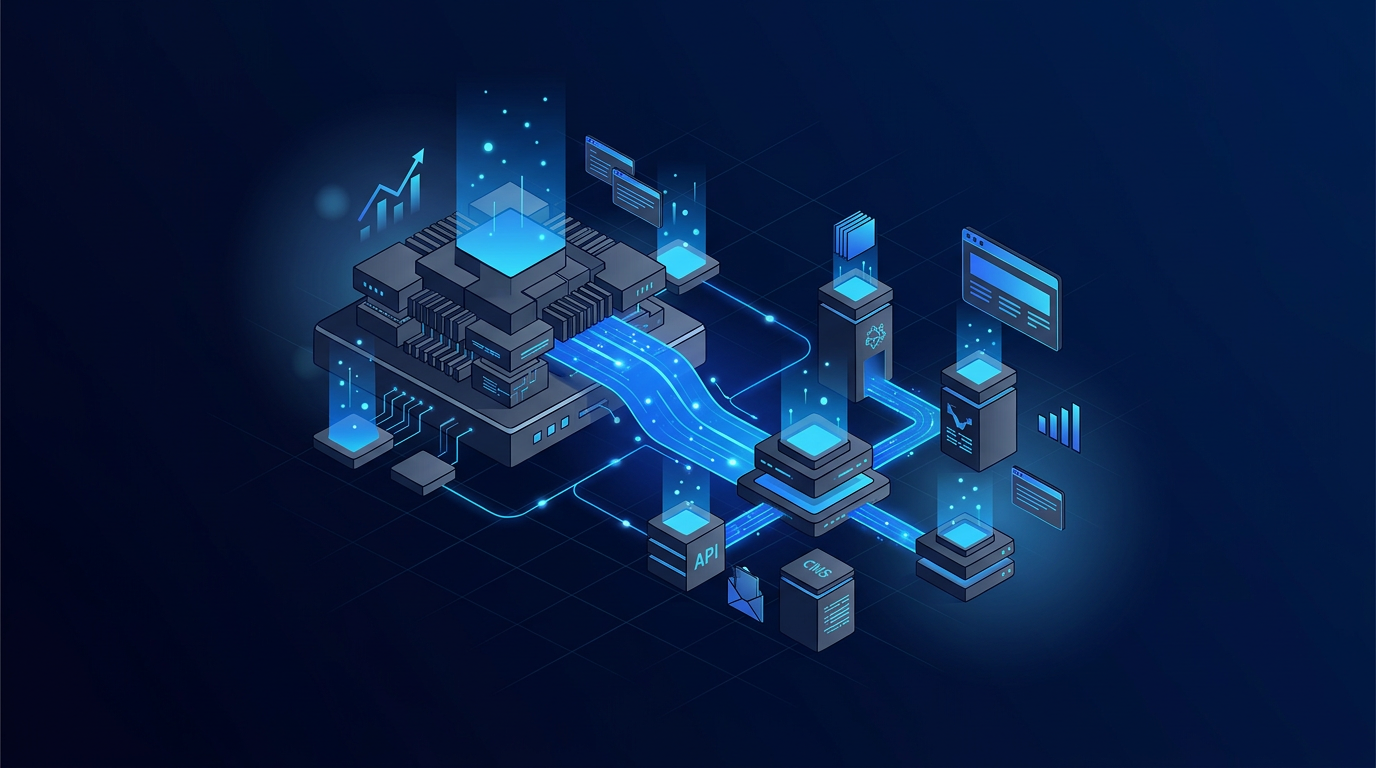
Maintain URL parity wherever possible. Prepare 301 mappings for any unavoidable changes. Keep canonical tags stable, and set hreflang for Shopify Markets locales. Preserve pagination patterns and breadcrumb structures to maintain topical clusters. Validate at scale before launch using crawls and sample SERP checks.
Choose hydration and rendering strategies that protect crawlability. Serve primary content server-rendered with predictable HTML. Avoid client-only rendering for critical content. Use structured data consistently across templates, including Product, BreadcrumbList, and ItemList. Ensure lazy-loaded elements don’t hide key signals.
Implement structured data, breadcrumbs, and pagination with care. Product schema should reflect price, availability, and reviews consistently. PLPs should use ItemList with correct position indexing. Use rel=next/prev alternatives responsibly, focusing on internal linking and canonicalization to guide crawlers.
Edge redirects and cache invalidation keep bots and users on the right path. Define a redirect map at the edge with efficient lookup structures. Invalidate caches on publish events and inventory changes. Detect and throttle bad bots. Ensure prefetch hints focus crawler budgets on important commercial pages.
Content modeling sustains internal linking and topical authority. Create components for category intros, buying guides, and comparison blocks. Editors should be able to link related articles, collections, and PDPs. Track link graphs to confirm pillar-cluster integrity after migration. Use CMS validations to prevent orphan content.
Monitor obsessively post-launch. Analyze server logs for crawl anomalies. Watch Search Console coverage and performance deltas. Maintain a recovery playbook with prioritized fixes. Use a war room in the first weeks to triage indexation, speed regressions, and content parity gaps swiftly.
Security, Compliance, and Risk Management for Enterprises
Align with SOC 2 and ISO 27001 practices. Run vendor risk reviews for each composable component. Maintain DPAs and SCCs for cross-border data transfers. Document data flows, retention policies, and deletion SLAs. Enforce SSO and MFA on all admin surfaces, including CMS, search consoles, and observability tools.
Minimize PII and reduce PCI scope by using Shopify Checkout. Do not store card data in custom services. Tokenize where needed and rely on vaulted payment methods. Redact PII from logs and traces. Implement data access reviews and audit trails. Map lawful bases for processing and fulfill data subject requests promptly.
Manage secrets, keys, and environments centrally. Use a managed vault with automated rotation and environment scoping. Segregate staging and production resources. Gate deploys with approvals. Track configuration drift and enforce. Keep dependency inventories fresh and patch known vulnerabilities quickly.
Mitigate DDoS and application attacks at the edge. Use WAF rules, bot management, and rate limits. Consider runtime application self-protection for critical APIs. Terminate TLS with modern ciphers and enforce HSTS. Continuously pen-test public surfaces and remediate findings within agreed SLAs.
Plan for business continuity. Automate backups of CMS, code, and configs. Practice rollbacks and chaos tests. Define DR regions and RTO/RPO targets. Keep runbooks current and drill incident response. Coordinate with marketing for blackout periods around major launches to reduce compounded risk.
Implementation Timeline, Budget Ranges, and ROI Modeling

Phase delivery to manage risk. Start with discovery and a minimal viable headless slice. Prove performance, SEO parity, and integration reliability. Scale templates and locales once telemetry confirms targets. Reserve optimization sprints for post-launch improvements and experimentation.
Complex enterprises typically run 16 to 36 weeks from discovery to launch. Dependencies include ERP, PIM, and tax integrations, plus content readiness. Parallelize CMS modeling with frontend scaffolding. Schedule localization and QA early. Bake in buffer for peak periods and code freezes to protect revenue dates.
Budget drivers are integrations, design systems, locales, and personalization. Deep ERP work, custom B2B UX, and multi-region deployments cost more than brochureware. Allocate funds for SRE, observability, and performance tooling. Retainers post-launch should cover continuous improvements and requests.
Model ROI across revenue lift, cost to serve, and risk reduction. Tie conversion and AOV gains to merchandising and speed improvements. Quantify content velocity improvements as campaign throughput. Reduce infra and license waste through right-sizing. Price the avoided incidents through stability and faster MTTR.
Build a hybrid internal-external team to sustain velocity. Keep product ownership in-house, with the agency supplying specialized engineering and SRE. Upskill your team during delivery. Transition components and runbooks progressively. Use a shared backlog and clear DRI ownership to avoid gaps after handover.
Book a 30‑min consult to match with a Shopify Plus headless partner We’ll shortlist agencies aligned to your stack, timeline, and KPIs within 24–48 hours.
Conclusion
Enterprises choosing headless on Shopify in 2026 win by pairing Hydrogen/Oxygen proficiency with disciplined SRE, composable integrations, and SEO-safe migrations. Use the criteria and KPIs here to evaluate partners, and start with a funded discovery spike. Next step: request a tailored shortlist and performance budget aligned to your growth plan.
FAQ
See the guidance above for the relevant criteria and next steps.
What makes the best headless Shopify agency for enterprise eCommerce in 2026?
The best agencies prove Hydrogen/Oxygen results, enforce Core Web Vitals SLAs, and run 24/7 SRE. They integrate CMS, search, PIM, and CDP seamlessly with clean data contracts. Expect SOC-aligned practices, rigorous QA, and SEO-safe migrations. They present architecture diagrams, performance budgets, and a realistic timeline.
Is headless Shopify always faster than themes?
Not always. Themes can be fast with optimized Liquid and CDN caching. Headless shines when edge rendering, server components, and disciplined caching cut TTFB and LCP across regions. Gains depend on execution: image strategy, JS budgets, and cache keys. Demand RUM visibility and hold teams to template-level budgets.
How risky is SEO during a headless migration?
Risk is manageable with planning. Preserve URLs, canonicals, and internal links. Implement 301 maps and consistent structured data. Ensure server-rendered content and stable pagination. Dry-run crawls and compare diffs. Monitor Search Console and logs post-launch with a war room for rapid fixes in the first weeks.
What KPIs should we hold the agency to post-launch?
Set SLAs for LCP, TTFB, CLS, and uptime. Track conversion rate, AOV, and revenue per session. Measure content velocity, release cadence, and defect rates. Define MTTR and incident frequency. For international, watch per locale. Tie a portion of fees to meeting performance and reliability SLOs.
How long and how much does a headless Shopify project typically take?
Enterprises usually ship in 16 to 36 weeks, depending on integrations, locales, and design system maturity. Budgets scale with ERP/PIM complexity, B2B features, and multi-region needs. Plan for discovery, MVP, scale-out, and optimization. Reserve funds for SRE, observability, and continuous improvements after launch.
Can we customize checkout without breaking compliance?
Yes, via Checkout Extensibility and Functions on Shopify Plus. You can modify UI, discounts, and validations safely while preserving upgrade paths and minimizing PCI scope. Avoid forking checkout or storing payment data yourself. Keep logic observable and tested, and coordinate changes with your agency’s SRE processes.