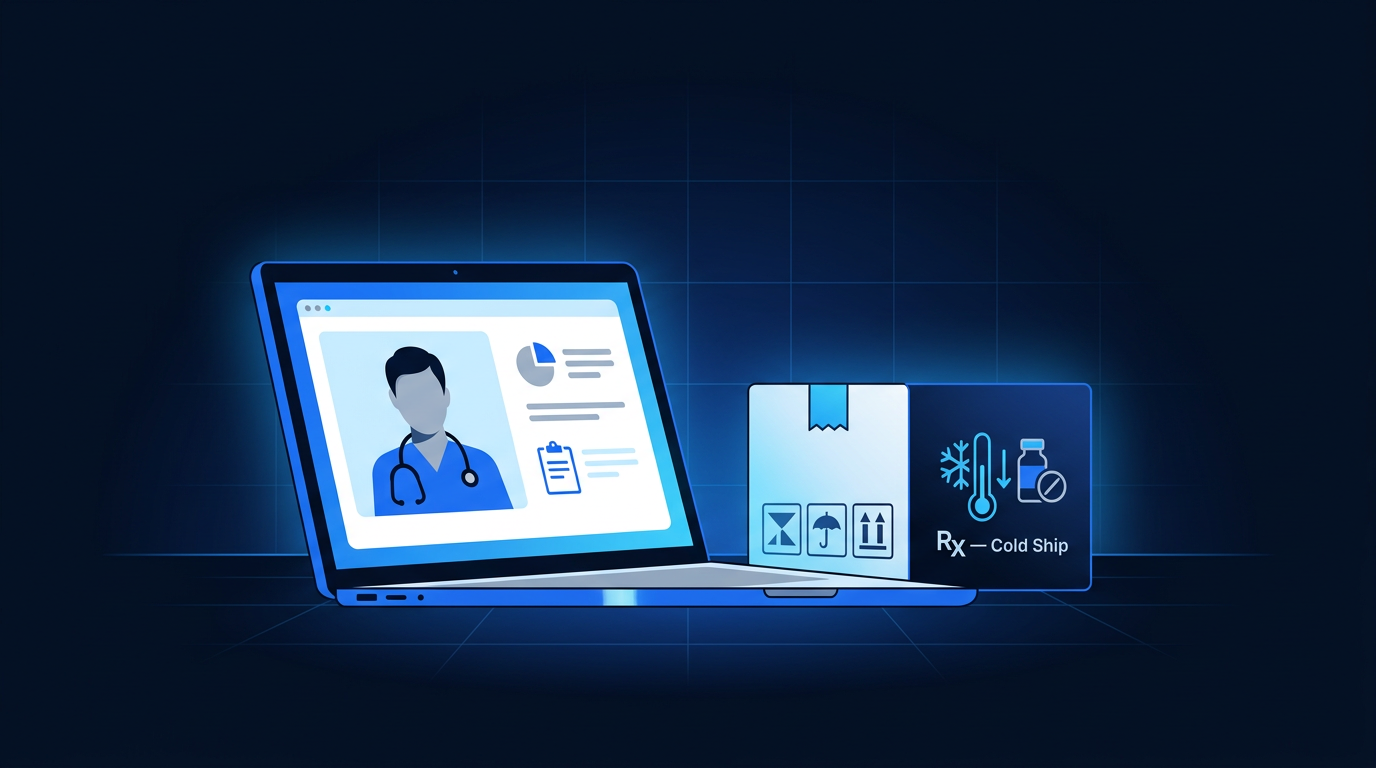
Buy Semaglutide Online: Fast Telehealth Consult & Home Delivery
If you want to buy semaglutide online, a telehealth consultation can streamline safe access to GLP-1 therapy for weight management or type 2 diabetes. Using a 5–10 minute intake, rapid eligibility screening, and home delivery, buy semaglutide online telehealth consultation pathways reduce clinic visits while maintaining standards of care. This guide covers safety, labs, dosing, costs, and how to choose a trusted provider for secure, cold-chain shipping.
Key takeaways:
- Telehealth can approve eligible patients for semaglutide within 24–72 hours and coordinate home delivery with cold-chain packaging.
- Expect baseline labs, contraindication screening, and a titration plan to minimize GI side effects.
- Pricing varies by brand vs. compounded options; verify pharmacy credentials and avoid non-equivalent salts.
- Insurance often requires prior authorization; manufacturer programs can reduce branded costs for eligible patients.
- Choose providers with licensed clinicians, transparent pricing, HIPAA-compliant tech, and vetted pharmacy partners.
What Is Semaglutide and How It Works

Semaglutide is a GLP-1 receptor agonist that helps regulate appetite and glucose. It’s FDA-approved for type 2 diabetes and chronic weight management under specific criteria. By enhancing glucose-dependent insulin secretion, slowing gastric emptying, and acting on appetite centers, it reduces hunger and improves glycemic control without the hypoglycemia risk seen with some other agents.
FDA indications include Ozempic for type 2 diabetes and Wegovy for chronic weight management in adults with obesity or overweight plus comorbidities. Rybelsus is the oral form for type 2 diabetes. For weight management, patients often see meaningful reductions when combined with nutrition, activity, and adherence to a clinician-guided titration schedule.
Mechanistically, semaglutide binds GLP-1 receptors in the pancreas and brain. It increases insulin secretion when glucose is elevated, reduces glucagon, and delays gastric emptying. Central appetite signaling lowers caloric intake. These effects are dose-dependent and cumulative over weeks, which is why slow titration helps patients tolerate therapy. AACE clinical practice guideline for obesity
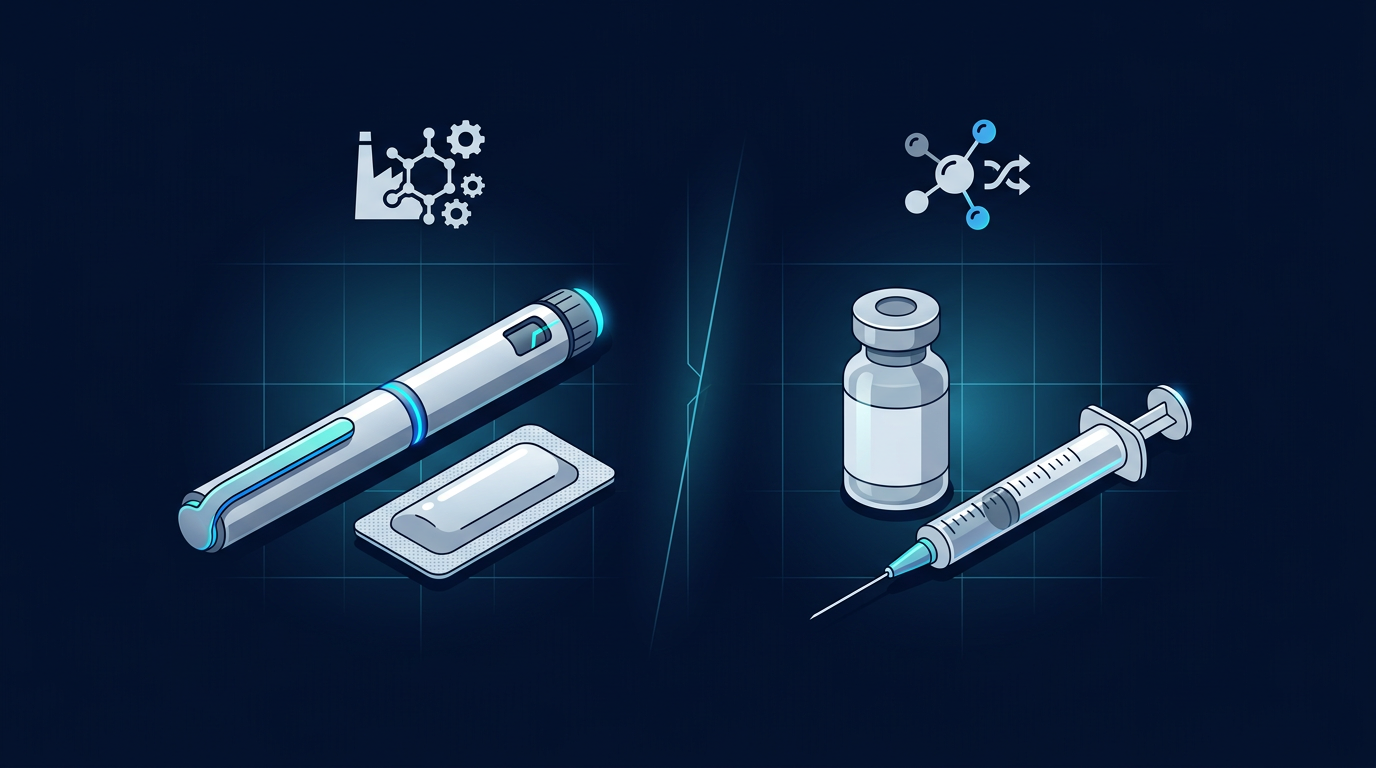
Brand differences matter. Ozempic is a once-weekly injection up to 2 mg for diabetes risk reduction. Wegovy is once-weekly with higher target doses for weight management. Rybelsus is a daily oral tablet for diabetes. Delivery devices, dose pens, and titration schedules vary. Your telehealth clinician will match product, dosing, and goals based on indication and eligibility.
Not everyone is a candidate. Avoid semaglutide with a personal or family history of medullary thyroid carcinoma or MEN2. Use caution with a history of pancreatitis, gallbladder disease, significant GI disorders, severe renal impairment, or with insulin/sulfonylureas due to hypoglycemia risk. Pregnant or breastfeeding patients should not use semaglutide for weight loss.
How Telehealth Prescriptions Work in Your State →
Benefits of Buying Semaglutide Online with a Telehealth Consultation

Telehealth streamlines the path from evaluation to medication. You complete a secure intake, meet via video, and if eligible, an electronic prescription is sent to a partner pharmacy. Cold-chain packaging preserves medication integrity in transit, and tracking updates keep delivery transparent.
Virtual access often reduces wait times compared with busy endocrinology clinics. Many platforms staff obesity medicine specialists, internists, or endocrinologists who follow evidence-based protocols. They can coordinate labs locally and titrate dosing over secure messaging or quick check-ins.
Privacy is a major draw. Weight management can feel sensitive. Discreet packaging and at-home follow-ups maintain confidentiality. Most providers also offer app-based side-effect tracking and structured education modules that improve adherence and outcomes.
Integrated care is the differentiator. Expect scheduled follow-ups at each titration step, dose holds if side effects appear, and lab reminders for A1C, lipids, and renal function. Some platforms provide nutrition coaching and exercise guidance to compound metabolic benefits.
[Mounjaro vs Ozempic vs Wegovy: Which Fits Your Goals? → ]
Step-by-Step: How Telehealth Semaglutide Consultations Work
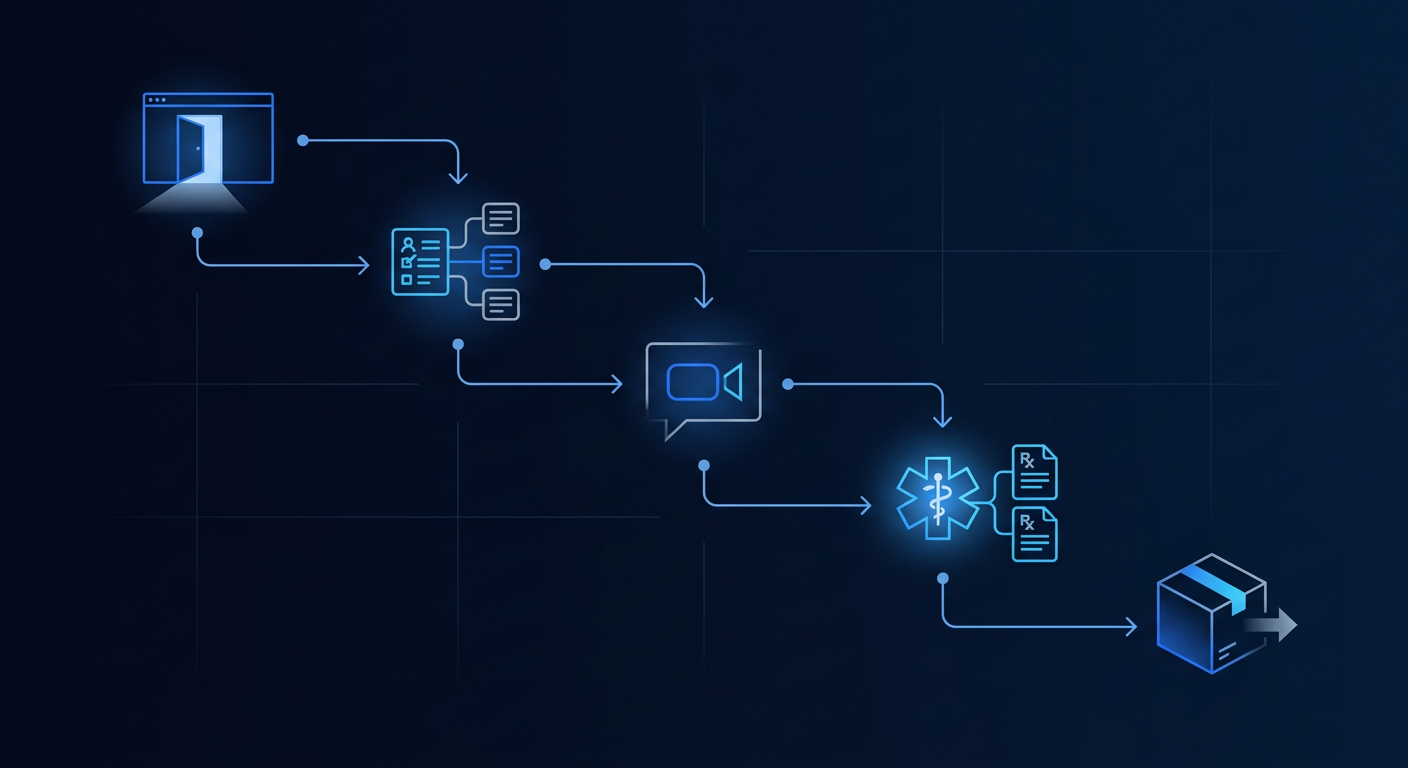
- Create your account. Complete a medical intake covering goals (A1C reduction or weight loss), BMI, comorbidities, and prior GLP-1 use. Upload ID and insurance details if using benefits.
- Share your history. List current medications, allergies, prior pancreatitis or gallbladder issues, thyroid nodules, and family cancer history. Provide recent labs if available.
- Meet your clinician. In a video visit, they verify eligibility, review risks and alternatives, and set expectations. They’ll discuss branded vs. compounded availability, delivery timelines, and follow-up cadence.
- Receive a plan. If appropriate, you’ll get a starting dose and titration schedule. The eRx goes to a partner pharmacy or one you choose. You’ll confirm delivery preferences, including cold-chain shipping windows.
- Delivery or pickup. For injectables, expect insulated packaging with gel packs and temperature indicators. Delivery usually requires a secure handoff. Oral tablets ship in standard packaging.
- Ongoing monitoring. You’ll complete check-ins at 2–4 week intervals for dose adjustments, GI side-effect management, and lab reviews. Missed-dose guidance and travel storage tips are provided proactively.
Compounded Semaglutide: Safety, Legality, and Cost →
Eligibility, Safety, and Required Labs
For weight management with Wegovy, FDA labeling targets adults with BMI ≥30, or ≥27 with at least one weight-related condition such as hypertension or dyslipidemia. Telehealth platforms will calculate BMI from your height and weight and document comorbidities to align with coverage criteria.
For type 2 diabetes, semaglutide helps lower A1C and supports weight reduction. Clinicians assess baseline A1C, usually targeting individualized goals based on age, duration of diabetes, and comorbidities. Semaglutide pairs well with metformin and can reduce insulin needs in select cases under supervision.
Screening for safety is non-negotiable. Clinicians look for a personal or family history of medullary thyroid carcinoma or MEN2, prior pancreatitis, significant GI disease, gallstones, or severe kidney issues. They evaluate hypoglycemia risk if you use insulin or sulfonylureas and consider pregnancy status and contraception planning.
Expect baseline labs: A1C, fasting plasma glucose, lipid panel, and renal function (eGFR). Additional tests may include liver enzymes and, when indicated, amylase/lipase for pancreatitis risk. Follow-up intervals vary but often include A1C every 3 months during titration, then twice yearly if stable.
Drug interaction checks include insulin and insulin secretagogues, which can raise hypoglycemia risk. Clinicians provide dose-reduction guidance and monitor for additive GI effects with other agents. Always disclose supplements and weight-loss products that might confound side effects or glucose readings.
Informed consent is part of the telehealth visit. You’ll review common side effects, rare risks, and what symptoms require urgent care. Educational materials outline storage, sharps disposal, missed-dose rules, and travel with refrigerated medications, ensuring you can self-administer safely.
Costs, Insurance, and Savings Options

Telehealth consultation fees typically cover the initial assessment, e-prescription if appropriate, and follow-up messaging. Some platforms bundle monthly clinician access, titration check-ins, and education resources. Clarify what’s included and whether labs are or billed through insurance.
Medication pricing varies. Branded semaglutide often carries higher list prices but may be offset by manufacturer savings for eligible patients with commercial insurance. Compounded options, when permitted and clinically appropriate, can be less expensive but require careful pharmacy vetting and provider oversight.
Manufacturer programs can reduce costs significantly for eligible insured patients. Savings cards are limited to certain indications and plan types. Patient assistance programs may help those with documented financial need. Eligibility rules change, so verify details on official manufacturer sites.
To compare costs, ask for a cash quote from multiple pharmacies and factor in shipping and cold-chain fees. Some telehealth partners negotiate better rates. Review refill schedules, auto-ship discounts, and delivery timeframes, especially during supply fluctuations or state shipping constraints.
Shipping costs and timelines depend on location, weather, and carrier. Cold-chain shipments often use expedited services with signature on delivery. Plan refills 1–2 weeks ahead to avoid dose interruptions. Ask providers about weekend delivery windows and contingency plans for delayed shipments.
Sample cost comparison factors
| Factor | Branded (Wegovy/Ozempic) | Compounded (where permitted) |
|---|---|---|
| Monthly med price | Higher, variable with insurance | Lower cash price, variable by pharmacy |
| Savings options | Manufacturer cards, PA needed | No brand savings; pharmacy promos possible |
| Supply stability | Subject to national demand | Variable; depends on 503A/503B capacity |
| Verification | FDA-approved product | Requires strict pharmacy vetting |
| Delivery | Cold-chain from licensed partners | Cold-chain; verify handling protocols |
Compounded Semaglutide vs. Branded Products: What to Know

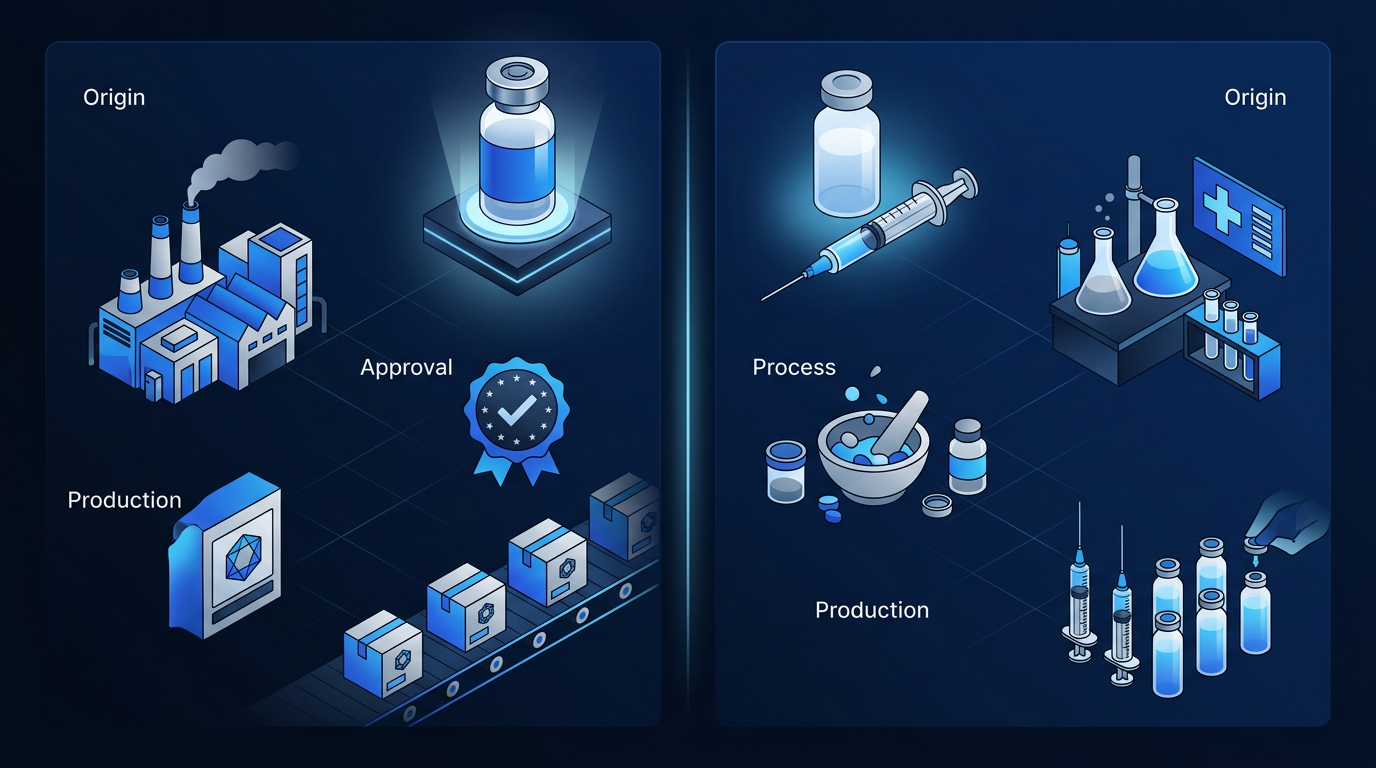
Compounding enters the picture when branded supply is constrained or dosing flexibility is required, subject to federal and state rules. Compounded drugs are not FDA-approved; they are prepared by licensed pharmacies based on a clinician prescription for an individual patient’s needs.
Quality hinges on the pharmacy. Look for 503A state-licensed pharmacies for patient-specific prescriptions and 503B outsourcing facilities for office stock, both subject to rigorous standards. Verify accreditation, lot testing, and certificates of analysis. Ask your provider how they audit and monitor partners.
Avoid non-equivalent salts and mislabeled products. Only semaglutide base is pharmaceutically equivalent to the branded active. Some markets sell semaglutide sodium or acetate forms that are not validated for the same use. Telehealth clinicians should confirm active-ingredient equivalency and documentation.
Reputable telehealth providers maintain a pharmacy shortlist with , temperature logs, tamper-evident packaging, and recall procedures. They should provide batch numbers on invoices and offer support for adverse event reporting. Transparent sourcing builds safety and trust.
Questions to ask: Which active form is used? Is there third-party potency and sterility testing? What are storage and beyond-use dates? How is temperature monitored in transit? What is the return/replacement policy for temperature excursions? Clear answers indicate strong quality systems.
How to Use Semaglutide: Dosing, Titration, and Side Effects

Starting doses are low to reduce GI effects, then increased every 4 weeks as tolerated until reaching the target dose appropriate for your indication. If side effects occur, clinicians may hold, step back one dose, extend intervals, or recommend supportive care before advancing again.
Administration differs by product. Injectables use once-weekly pens. Rotate sites (abdomen, thigh, upper arm) and store pens refrigerated before first use, then as labeled. Dispose of needles in an FDA-cleared sharps container. Oral Rybelsus is taken once daily on an empty stomach with a small amount of water, waiting before food or other meds.
Common side effects include nausea, vomiting, diarrhea, constipation, and decreased appetite. Strategies: eat smaller meals, emphasize lean protein, increase hydration, and avoid high-fat, greasy foods during titration. Ginger tea, electrolyte fluids, and fiber adjustments can help. Report persistent symptoms for dose adjustments.
Seek medical help urgently for severe abdominal pain radiating to the back (possible pancreatitis), persistent vomiting with dehydration, signs of gallbladder issues such as right upper quadrant pain or jaundice, or hypoglycemia symptoms if on insulin or sulfonylureas. Telehealth teams will outline red-flag protocols.
Lifestyle amplifies results. Aim for adequate protein intake, hydration, and resistance training to preserve lean mass. Gentle movement helps GI motility. Sleep and stress management also influence appetite and glucose. Clinicians may provide nutrition resources and referrals to coaching programs.
If you miss a weekly dose, follow the product’s window guidance or wait until the next scheduled dose if outside that window. Do not double up. For travel, use insulated packs and verify allowable time at room temperature. Maintain a dosing calendar or app reminders to optimize adherence.
Choosing a Trusted Telehealth Provider
Verify licensure and board certification for the clinicians you’ll see. Confirm your state is supported and whether controlled telehealth prescribing rules affect initial or refill visits. Multi-state medical groups can maintain continuity if you move or travel frequently.
Look for transparent pricing. Clear visit fees, medication costs, shipping, and lab policies reduce surprises. Responsive support via chat or phone shortens side-effect response times and refill coordination. Publish turnaround times for eligibility decisions and delivery estimates.
Security matters. Ensure the platform uses HIPAA-compliant video, encrypted messaging, and restricted data access policies. Ask whether they support pharmacy choice and provide copies of your prescription and visit notes for your records.
Pharmacy partnerships should include documented cold-chain standards, temperature monitoring in transit, and replacement policies for excursions. Providers should disclose when substitutions occur and secure your approval. Clear education resources, dosing calendars, and outcomes tracking round out patient support.
Read verified reviews that discuss delivery reliability, side-effect management, and customer service responsiveness. Platforms that publish anonymized outcomes dashboards, such as average weight change or A1C reduction over time, show a commitment to continuous improvement.
Cold-Chain Shipping: What to Expect on Delivery Day →
Buy Semaglutide Online Telehealth Consultation: Practical Tips and Edge Cases
- Ask for a dosing calendar with titration dates, refill cutoffs, and lab checkpoints. Share it with household members if they assist with storage or deliveries.
- Confirm how your platform handles supply shortages, backorders, and automatic substitutions. Require approval before any product switch, especially between branded and compounded forms.
- If you use a continuous glucose monitor, discuss target ranges and alert thresholds during titration. Document patterns before reducing insulin or sulfonylurea doses.
- For GI sensitivity, request an extended titration cadence or micro-steps, such as alternating weeks at intermediate doses to enhance tolerability.
Documentation helps with coverage and care continuity. Keep a simple log of weekly doses, side effects, weights, and A1C values. Export app data before switching platforms or pharmacies. Ask for copies of visit notes and prior authorization submissions for your records.
Conclusion
Buying semaglutide online via a telehealth consultation offers speed, privacy, and structured follow-up when done with a vetted provider. Confirm eligibility, complete baseline labs, and choose a pharmacy with proven cold-chain practices. Next step: schedule a brief telehealth intake, align on goals and risks, and finalize your eRx with tracked home delivery.
FAQ
Can I buy semaglutide online without a prescription?
No. Semaglutide requires a prescription after a clinician evaluates your history, contraindications, and goals. Telehealth platforms streamline this process with a brief intake and video visit. Beware of online sellers marketing semaglutide without a prescription or using non-equivalent salts. Use licensed clinicians and verified pharmacies only.
How long does approval and delivery take?
Many patients receive an eligibility decision within 24–72 hours, depending on intake completeness and lab availability. Delivery of injectables typically arrives within 2–5 business days after approval, using cold-chain packaging. Timelines vary by state, carrier capacity, weather, and product supply. Request tracking and signature coordination.
What if my insurance denies coverage?
Appeal with documentation of BMI, comorbidities, prior weight-loss attempts, and clinician notes. For diabetes, include A1C trends and prior therapies. Your telehealth team can submit prior authorization materials. If coverage remains denied, request cash quotes, consider manufacturer savings (if eligible), or discuss compounded alternatives where appropriate.
Can I switch from another GLP-1 to semaglutide?
Yes, but it requires a structured plan. Clinicians consider dose equivalencies, last injection timing, side-effect history, and goals. A short washout or overlap may be recommended depending on the prior agent. Expect a conservative titration start to minimize GI effects. Never switch without consulting your clinician.
Is telehealth suitable for long-term management and refills?
Telehealth is well-suited for ongoing titration, side-effect management, and refills. Platforms schedule periodic check-ins, track weight and A1C, and coordinate labs locally. Many support asynchronous messaging for quick questions. Refill timing is aligned with delivery windows to prevent gaps, especially for refrigerated shipments.
What states or countries have restrictions?
U.S. state rules on telehealth prescribing, shipping of refrigerated meds, and compounding vary. Some states require video visits or additional ID verification. International shipping of prescription medications is often restricted. Check your platform’s state availability and pharmacy shipping map, and confirm compounding rules for your location.