Overview: Finding the Best 3PL for Shopify Stores with Fast 2-Day Shipping
If you sell on Shopify, the best 3PL for Shopify stores with fast 2-day shipping acts like a growth engine. Faster delivery raises conversion, average order value, and lifetime value by removing buyer hesitation. But “best” varies by SKU mix, margins, and regions served. The right partner balances speed, reliability, and tech—without eroding contribution margin or complicating your stack.
2-day shipping compresses the trust gap at checkout. Customers see speed promises backed by accurate delivery dates and branded tracking. As post-purchase certainty rises, cart abandonment falls. The return loop tightens too, turning feedback into operational improvement. The end result is a tighter cash cycle, stronger review velocity, and more repeat purchases.
“Best” means sustained performance under pressure. You need multi-node coverage, near-perfect SLAs, Shopify-native workflows, and no-surprise billing. Integration should be OAuth-based, with webhook resilience. And support must escalate fast when orders mis-route or scans go missing. Below is a practical checklist to evaluate finalists.
- Coverage: 2-day ground to 90%+ of your current demand map
- SLAs: On-time fulfillment > 98%, delivery accuracy > 97%
- Tech: Real-time inventory sync; order edits; tags/flows alignment
- Pricing: Transparent pick/pack, storage, DIM, and surcharge policies
- Analytics: SKU velocity, aging, kitting/bundling; demand forecasting
- Onboarding: 2–6 weeks max, pilot-ready, clear responsibilities
- Support: Named CSM, weekend ops, defined escalation paths
3PL vs 4PL: What’s Best for DTC Brands?
Key Benefits of 2-Day Shipping for Shopify Merchants
Faster delivery lifts conversion by shrinking risk perception at checkout. Showing 2-day delivery dates next to Shop Pay reduces drop-off and triggers impulse-friendly behavior on mid-ticket carts. Speed often allows modest price or shipping fee premiums, improving AOV while keeping net landed cost competitive versus marketplaces with strict SLAs.
Retention improves when reality matches the promise. Accurate estimated delivery dates and clear order milestones increase perceived reliability. This accelerates positive reviews and social proof, which compounds ad performance and organic rankings. Returns still occur, but faster delivery shortens the “time to delight,” easing post-purchase anxiety and pre-empting WISMO contacts.
Competing with marketplace SLAs is a positioning advantage. If you can match 2-day delivery to major metros, you can advertise parity on speed with more control over branding, packaging, and upsells. Control over insert cards, cross-sells, and bundle testing on your DTC site becomes a conversion weapon that marketplaces restrict.
2-day shipping changes working capital dynamics. Distributed inventory and faster turns pull cash forward. You restock with tighter cycles, reduce safety stock, and lower obsolescence risk for trend-sensitive SKUs. While storage and inbound costs matter, improved turns can offset carrying costs—particularly for products with steady velocity and seasonality you can forecast.

Core Criteria: How to Evaluate the Best 3PL for Shopify Stores

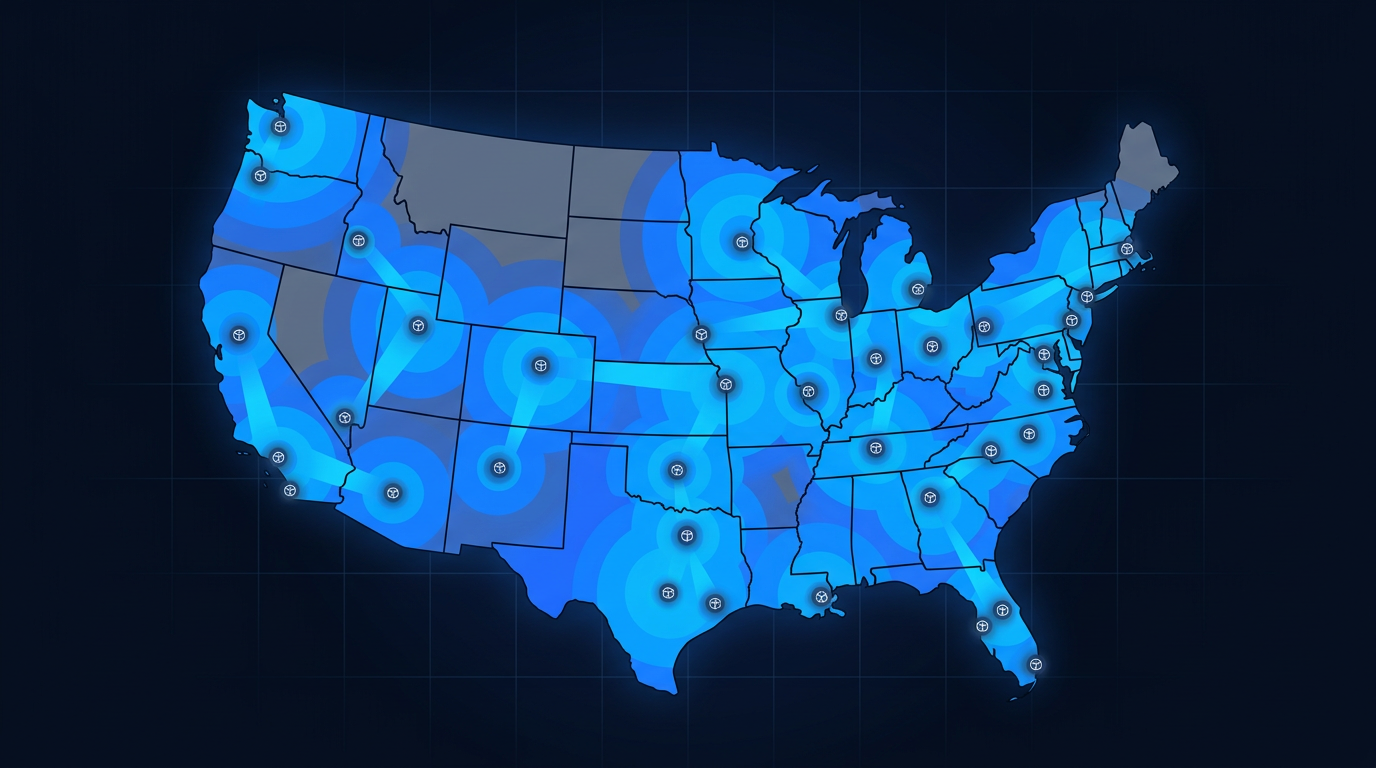
Nationwide 2-day coverage depends on node count and carrier mix. Look for regional hubs plus zone-skipping for long-haul lanes. A strong 3PL blends USPS, UPS, FedEx, and regionals, injecting at the right points to cut miles. Ask for a coverage heat map based on your 12-month destination data, not their generic marketing map.
SLA reliability is non-negotiable. On-time fulfillment should be > 98% by cutoff, with scan compliance proving induction on schedule. Delivery accuracy must hold up during peak. Require monthly scorecards and credit structures for misses. Confirm how exceptions are flagged in real time, and how they flow back into Shopify for proactive service.
Shopify-native features save hours. Real-time inventory sync prevents oversells. Order edits and change windows reduce mis-picks when customers swap addresses or variants. Tags should route orders to kitting, gift notes, or QC flows. Confirm support for partial fulfillments, backorders, and preorders, plus webhooks that won’t silently fail when volumes spike.
Transparent pricing prevents margin creep. Get detailed line items for pick, additional picks, pack, custom packaging, labeling, storage (by pallet/bin/shelf), DIM thresholds, and all surcharges. Include returns handling fees by disposition. Ask for examples of DIM weight optimization that reduced a client’s average cost per shipment without compromising unboxing.
Analytics should translate to action. You want SKU velocity, aging by location, and intelligent reorder points. Kitting/bundling analytics should show attach rates and operational impact. Forecasting should reflect seasonality and promotional calendars. Ask for how they predict staffing and where early capacity warnings show up in your dashboard.
Onboarding speed signals operational maturity. A crisp implementation plan should cover integration, test orders, ASN formatting, receiving SLAs, and cutoff validation. Pilot windows with shadow fulfillment reduce go-live risk. Avoid long, inflexible contracts; push for 30–60 day outs after launch. Clarify data ownership and file retention.
Support quality is your safety net. Demand a named CSM, standard and emergency escalation paths, and weekend support if you sell through Saturday/Sunday. Verify ticket SLAs by priority, not just “business hours.” During peak, insist on daily huddles and real-time dashboards that show order backlog, missed scans, and carrier delays by region.
Dimensional Weight Calculator (Free Tool)
Must-Have Shopify Integrations and Tech Stack Compatibility

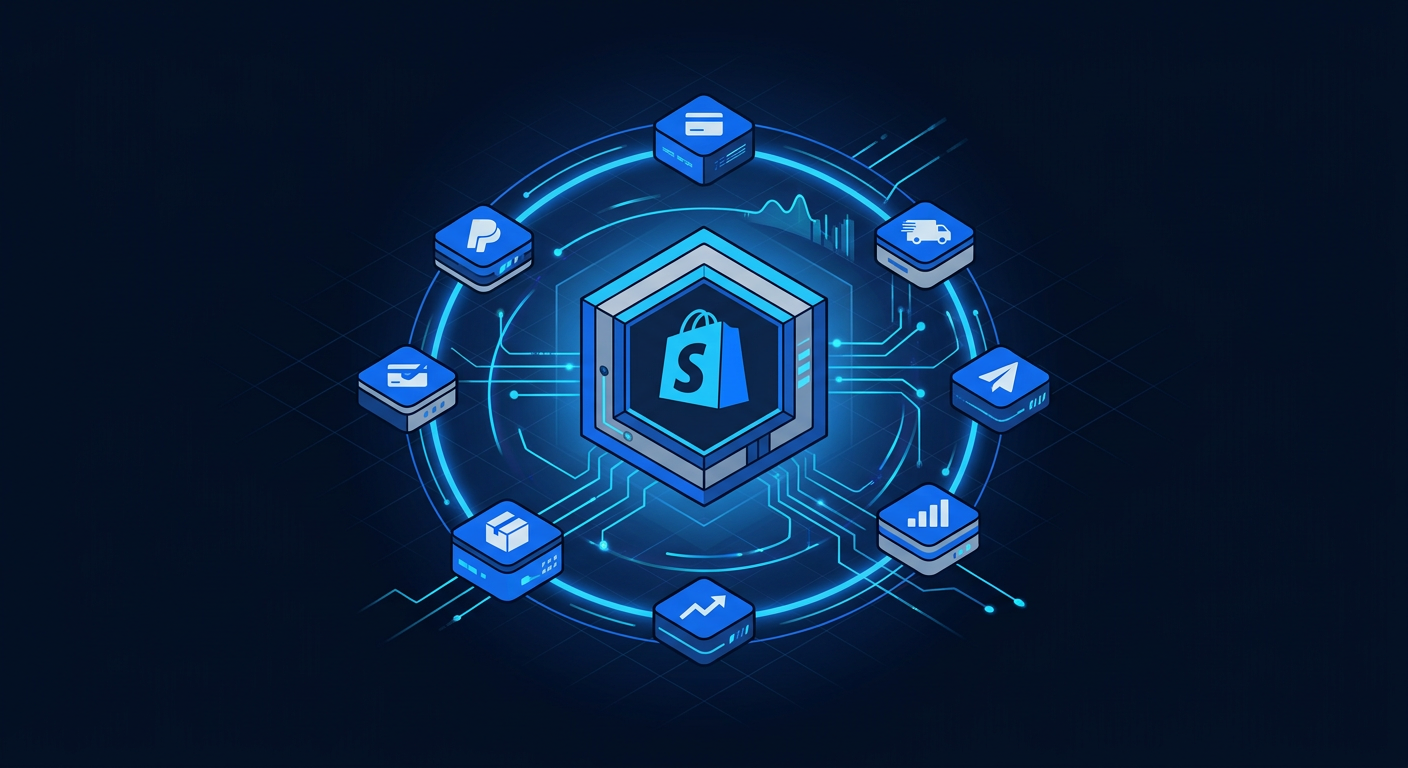
One-click installs with OAuth prevent fragile, custom API keys. Webhooks should retry with backoff and log failures you can audit. Your OMS/WMS bridge must handle high-velocity bursts from drops or influencer moments. Confirm rate limits and queuing behavior, so orders never silently stall during peak checkout minutes.
Support for Shop Pay, discounts, partial fulfillments, and preorders is essential. If you run promos with BOGO or complex discounts, ensure pick logic reflects the final order state. Partial fulfillments should post tracking accurately. Preorders need clear segregation, with timed releases and SLA baselines that don’t penalize you for future-dated stock.
Sales channels multiply complexity. The 3PL should unify Amazon, Walmart, and TikTok Shop orders without breaking DTC workflows. Wholesale and EDI require cartonization rules, pallet labels, and appointment scheduling. Confirm ASN formats accepted and any chargeback risks. Your 3PL should also support channel-specific packing slips and routing guides.
WMS/OMS capabilities drive unit economics. Batch picking, wave planning, and smart slotting cut touches. Lot/expiry and FEFO keep compliance tight for beauty and supplements. Serials and MAC/IMEI capture are table stakes for electronics. Kitting must be supported on-demand or prebuilt, with BOM accuracy and QC photos tied to orders.
Real-time tracking improves CX and reduces tickets. The 3PL should publish live status to Shopify and your post-purchase platform. Branded tracking pages let you upsell and answer WISMO without agents. Ensure carrier events normalize into consistent milestones, so your flows trigger correctly across USPS, UPS, FedEx, and regionals.
How to Negotiate Carrier Rates with Volume Tiers
Shipping Speed Mechanics: How 3PLs Deliver Fast, Reliable 2-Day Shipping

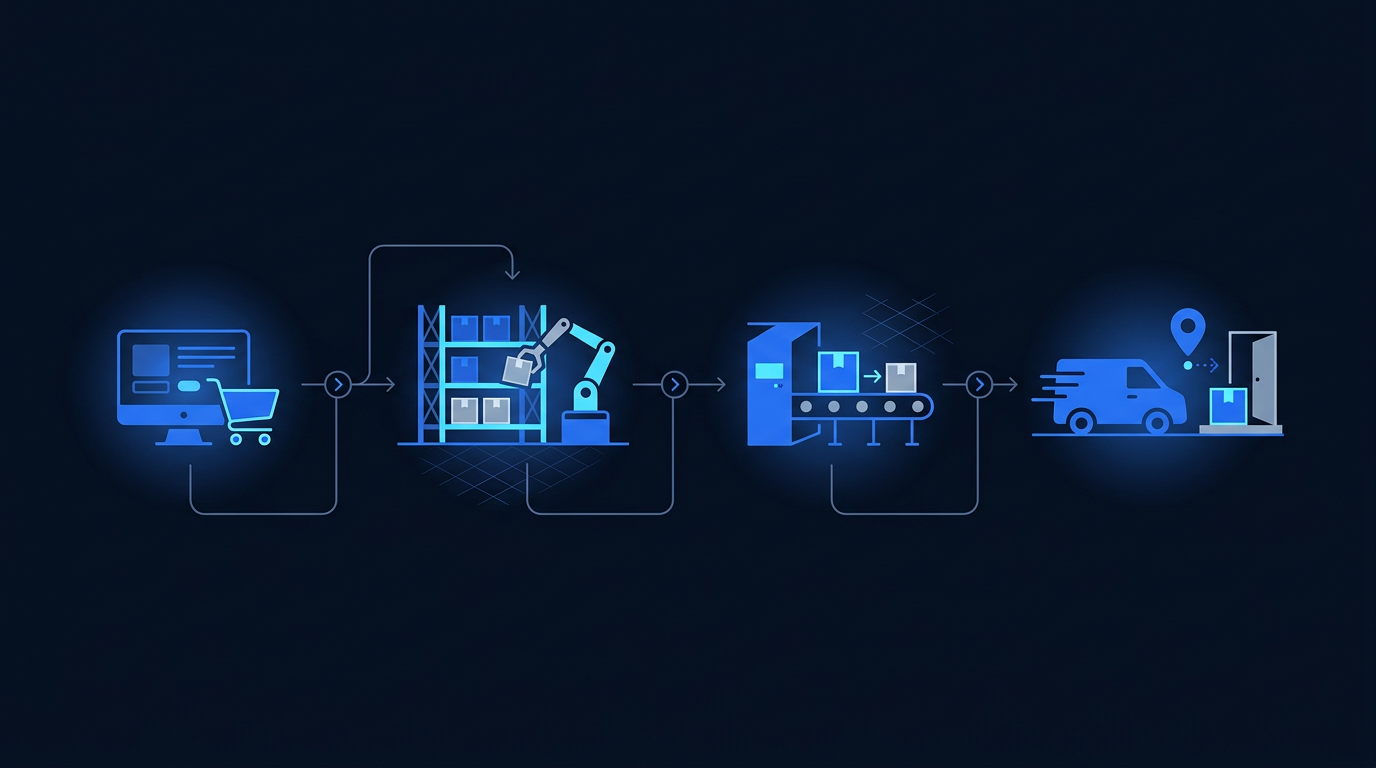
Distributed inventory cuts distance to door. A smart routing engine allocates stock to nodes based on heat maps, seasonality, and promotion calendars. When an order hits, geo-allocation chooses the closest node with stock and the best carrier service to meet the promise while minimizing cost. Safety stock rules prevent false availability.
Cutoff times and weekend ops are your speed levers. A 3PL with 3–6 p.m. local cutoffs and Saturday processing can save a day in transit math. Same-day fulfillment must be real, not aspirational. Ask for facility-specific cutoffs, weekend staffing levels, and plan B procedures during carrier capacity crunches or weather disruptions.
Carrier optimization is an ongoing exercise. USPS Ground Advantage, UPS 2nd Day Air alternatives, and FedEx 2Day equivalents all have sweet spots by weight, zone, and dimensions. Regionals like LaserShip/OnTrac, GLS, and Better Trucks can win metro lanes. Zone-skipping and injection into DDU/DSCF reduce miles and stabilize delivery times.
Packaging drives DIM weight and breakage. Right-sizing mailers or custom cartons can shave ounces and dimensions that trigger higher billed weights. Testing inserts, foam options, and recyclable materials balances protection with cost and sustainability. Your 3PL should run cartonization logic and A/B test packaging to reach the optimal DIM profile.
Peak season requires buffers. Staffing plans should include cross-trained flex labor and defined blackout dates. Capacity reservations for induction and pickups reduce carryover. Carrier collaboration and daily forecasting keep trailers on-time. Clear customer messaging on cutoff calendars prevents blowback. Request last year’s peak metrics and lessons learned.
Returns Management Playbook for Shopify
Cost Optimization Without Sacrificing Speed

Two-day coverage does not mean unlimited nodes. Every additional node adds storage, replenishment freight, and complexity. For many brands, two to three nodes hit the 90% coverage mark. Use demand distribution and seasonality to place inventory efficiently. Revisit placement quarterly to prevent idle stock in low-velocity nodes.
Rate shopping should be rules-driven. Map services by zone, weight breaks, and cubic thresholds. Ground-based 2-day often beats air when nodes are close to customers. Add guardrails for fragile SKUs needing premium handling. Update your matrix after carrier GRI changes. Confirm your 3PL actually executes the routing logic you model.
Inventory placement should be model-based. Use 12 months of order destinations and velocity to build a heat map. Overlay seasonality and planned campaigns. Consider inbound freight from suppliers to reduce total landed cost. Keep kitting components near their highest attach-rate regions. Avoid spreading long-tail SKUs across too many nodes.
Returns can erode speed economics. Use low-cost return labels with automated RMA flows that triage by reason codes. Predefine refurbish, repack, and resell loops to recapture value. Photograph return inspections to speed resolutions. Consider consolidation returns to central nodes for QC and restock, keeping forward nodes lean for speed.
Watch hidden fees that creep. Overage storage, long-term aging charges, special projects, non-standard packaging, and missed appointment fees add up. Ask for monthly fee variance reports against forecast. Align incentives with volume-based discounts on handling, not just carrier pass-throughs. Push for fee transparency in writing.
Compliance, Quality, and Reliability Considerations

SLA definitions must be precise. Define “on-time fulfillment” as scan by cutoff, not label created. Clarify delivery accuracy windows by service. Tie credits to business impact with auto-applied mechanisms. Require root-cause analysis for recurring misses and documented corrective actions that roll up to leadership reviews.
Barcode and ASN standards prevent receiving chaos. GS1-compliant barcodes, carton contents labels, and pre-advice ASNs speed putaway. Receiving SLAs should specify. For new product launches, schedule appointments early. Ask for photo evidence and exception logs whenever counts or damages deviate from ASNs.
Quality control protects brand trust. Cycle counts by ABC class reduce drift. Audits should sample picks, kitting BOMs, and fragile-handling procedures. Photo evidence for high-value or customized orders reduces disputes. Exceptions must trigger alerts to your team and update order status to pause or reroute as needed.
Regulatory needs vary by category. Hazmat requires trained staff, correct documentation, and compliant packaging. FDA and cosmetics need lot control and FEFO. Supplements require batch tracking and recall readiness. Apparel needs size set accuracy and GOH options. Confirm certifications and past audit outcomes for your category.
Data security and uptime matter as much as forklifts. OAuth, scoped permissions, encryption in transit and at rest, and clear data retention policies are baseline. Integration uptime and webhook reliability must be measured and published. Demand incident postmortems and status pages you can subscribe to for live updates.
Top Use Cases and Vertical-Specific Needs
Apparel and accessories need variant discipline. Size/color variations require bin-level slotting and fast cycle counts. High return rates demand gentle unboxing and easy reseal packaging. 3PLs should support GOH, flat-pack logic, and fraud-aware return dispositioning. Kitting for bundles and curated drops needs flexible BOMs and rapid turnarounds.
Beauty and personal care hinge on lot/expiry and temperature. FEFO is essential to minimize write-offs. Packout must prevent leaks and crushing without over-packaging. Ingredient compliance and MSDS handling can apply. Seasonal sets and influencer kits require light assembly and robust QC to prevent shade mix-ups.
Supplements and food require batch traceability. FEFO discipline, recall readiness, and documented handling are mandatory. Some SKUs need temperature control or insulation. Cartonization must balance protection and cost. Subscription flows benefit from pre-kitted packs and predictable pick paths to maintain cutoffs at scale.
Electronics and gadgets demand serial capture and high-value handling. Anti-tamper seals, foam-insert kitting, and ESD-safe practices can be relevant. RMA loops must validate serials and accessory completeness. Carriers and insurance rules should reflect declared value and require adult signatures where applicable.
Home goods and bulky items suffer from DIM costs. Right-size packaging, regional carriers, and appointment deliveries can reduce damage and cost. Split shipments may be necessary to keep speed for smaller components. White-glove or threshold services might be needed; choose 3PLs familiar with these workflows.
How to Select and Onboard the Best 3PL for Shopify: A Step-by-Step Process
Start with an RFP and scorecard. Weight criteria like coverage, SLAs, tech fit, pricing transparency, onboarding speed, and support quality. Request customized heat maps based on your last 12 months of data. Evaluate escalation paths and holiday readiness. Insist on sample invoices that mirror your SKU and order profiles.
Assemble a complete data pack. Include SKU master with weights/dimensions, HS codes, lot/serial needs, 12-month order volume by destination, velocity by SKU, return rates, and cartonization rules. Add promo calendars and forecast scenarios. Share current packaging specs and breakage history to inform packout optimization.
Run a pilot before full migration. Execute a shadow cycle where the 3PL fulfills a subset in parallel with your existing setup. Place test orders with edge cases: preorders, partials, address edits, kitting, hazmat, and returns. Validate cutoffs in live conditions and measure scan compliance across carriers. Document exceptions and remedies.
Define a clear implementation timeline. Steps include OAuth app install, webhook validation, SKU/lot mapping, ASN templates, receiving appointments, test picks, and live-set tracking. Establish operating cadences: daily order backlogs, weekly SLAs, and monthly QBRs. Lock in peak season blackout dates and mitigation plans early.
Use a go-live checklist. Verify SLA baselines, exception playbooks, reroute logic, and reporting cadence. Confirm packaging inventory levels. Test branded tracking and WISMO deflection flows. Ensure finance receives itemized billing feeds. Put incident escalation contacts into your on-call rotation for nights and weekends.
highlighted vendor spotlight
See current pricing on the provider’s official site — pricing and terms are updated there first.
Conclusion
Choosing the best 3PL for Shopify stores with fast 2-day shipping is a data exercise, not a guess. Anchor decisions in your demand map, SKU physics, and margin math. Require real SLAs, robust Shopify-native tech, and clear pricing. Run a pilot, validate cutoffs, and track scan compliance. Next step: run your coverage and cost model with your last 12 months of orders.
Best WMS for 3PLs Integrating with Shopify
FAQ
How do I estimate if two or three nodes will cover 90%+ of my orders in 2 days?
Export 12 months of order destinations by ZIP3 and plot a demand heat map. Model transit times from candidate nodes using carrier service maps and zone-skipping options. Simulate allocation with safety stock thresholds. Usually, two well-placed nodes hit major coasts and Midwest; a third node cleans up outliers and peak stability.
What’s the fastest way to validate a 3PL’s cutoff and SLA claims before signing?
Run a time-boxed pilot. Ship real orders from at least two facilities during a normal week and a promo spike. Measure latency, by-carrier scan compliance, and on-time shipments relative to promised cutoffs. Demand raw event logs and compare to your Shopify events. Tie any misses to documented root causes.
How can I prevent DIM weight from blowing up my 2-day costs?
Audit packaging against your top 20 SKUs by volume. Test right-sized mailers, folded cartons, or custom inserts to cut dimensional inches without raising damage rates. Use cartonization logic in your OMS/WMS to auto-select the smallest viable package. Re-price services by weight and zone quarterly after any packaging changes.
What should I require in a returns workflow to protect margins?
Automate RMA approvals with reason codes and triage rules. Use low-cost labels and consolidate returns to a central node for QC. Capture photos and disposition outcomes. Define refurbish, repack, or liquidation paths with thresholds. Sync restockable units quickly to prevent stockouts. Track return rate by SKU to improve pre-purchase clarity.
Do I need a separate OMS if the 3PL has a solid WMS?
It depends on channel complexity. If you sell across Shopify, Amazon, Walmart, and wholesale/EDI, an OMS centralizes routing, allocations, and service mapping. A strong 3PL WMS can suffice for simple DTC flows. Choose the control plane that preserves order integrity, supports webhooks, and gives you audit trails across all channels.
How do I align customer service with 2-day promises to reduce WISMO tickets?
Pipe carrier events into your post-purchase platform and display branded tracking pages with accurate ETAs. Trigger proactive emails or SMS when scans delay. Train agents on facility cutoffs, carrier behaviors, and common exceptions. Provide a self-serve portal for address fixes within change windows. Publish a clear peak-season delivery calendar.