
Overview: Best Cyber Insurance for Small Business Owners in 2026
Small businesses face targeted phishing, payment fraud, and ransomware every week. Choosing the best cyber insurance for small business owners 2026 means balancing coverage breadth with fast incident response and fair pricing. Policies fund forensics, data restoration, notification, legal defense, and business interruption. They also plug you into breach coaches and vendors who do this daily, turning chaos into a contained event.
Key takeaways:
- Prioritize ransomware, social engineering, and business interruption limits with realistic sublimits.
- Strong underwriting controls cut premiums 15–40%: MFA, EDR, immutable backups, and email security.
- Incident response panel quality matters more than brand; check SLAs and breach coach access.
- Match coverage to sector risk: PCI for retail, HIPAA support for health, contract-ready for B2B SaaS/consultants.
- Start claims clock fast: engage the hotline, preserve logs, and avoid unilateral vendor hires.
Threats in 2026 skew toward business email compromise and funds transfer fraud that bypass endpoint tools. AI-enhanced phishing improves spoofing and deepfake voice fraud. Cloud misconfigurations and third-party breaches drive many privacy incidents. This guide ranks providers by coverage strength, ransomware resilience, IR ecosystem speed, sector fit, and overall value to SMBs using modern stacks.
Selection criteria include: breadth of first- and third-party insuring agreements, ransomware and crime endorsements, social engineering sublimits, incident response SLAs, risk engineering and training, claims reputation, regulatory alignment, pricing transparency, and availability via reputable brokers.
How to Choose the Best Cyber Insurance for Small Business Owners in 2026

Start with your risk profile. Map revenue, number of customer records, payment flows, and regulated data. A 12-person AI support firm handling client PII across Microsoft 365, Slack, and a helpdesk platform faces high email fraud exposure and vendor risk. A Shopify retailer needs PCI alignment and outage coverage. Healthcare clinics must consider PHI and investigations.
Understand coverage pillars. First-party pays your costs: incident response, data restoration, business interruption, digital asset loss, extortion. Third-party covers defense and settlements for privacy, security failure, and media liability. Ask for clear definitions of “security failure,” “system outage,” and “data” to avoid gaps. Scrutinize waiting periods and restoration proof for BI triggers.
Must-have endorsements in 2026 include ransomware with coverage for negotiations and decryption, social engineering and funds transfer fraud, dependent business interruption for outages at your cloud/SaaS providers, and system failure (non-malicious outage). Consider reputational harm and invoice manipulation if clients pay you based on emailed invoices.
Get granular on limits, sublimits, deductibles, and retro dates. Many carriers cap social engineering at low sublimits. Push for higher crime sublimits if you wire often. Deductibles trade premium for skin in the game; model cash flow tolerance. Retroactive dates matter if a breach started before binding; ask for full prior acts if available and justified.
Incident response ecosystems are pivotal. Look for 24/7 hotline, breach coach-led coordination, pre-vetted forensics, PR, and legal with published SLAs. Ask if you can use preferred vendors or only panel ones. Confirm coverage of call centers, notification printing/mailing, and regional counsel for multi-state events.
Underwriting focuses on controls. Expect questions on MFA for email/VPN/admin, EDR on endpoints, immutable/offline backups, patch cadence, email security and DMARC, privileged access, vendor risk management, and incident response planning. Carriers may require MFA and backups before binding. Some offer credits for phishing training and tabletop exercises.
Claims reputation and response times separate top carriers. Ask brokers about hotline pickup times, average forensics, and settlement posture for funds transfer fraud. Speed reduces downtime and loss. Seek carriers that share post-mortems and fund hardening.
Align with regulations and contracts. Ensure policy language and services support FTC Safeguards Rule, HIPAA investigations and civil fines if insurable, PCI DSS assessments, and state privacy laws. If clients demand cyber terms in MSAs, pick carriers used to SOC 2, DPAs, and contractual requirements.

Top Cyber Insurance Providers for Small Businesses in 2026: Our Picks
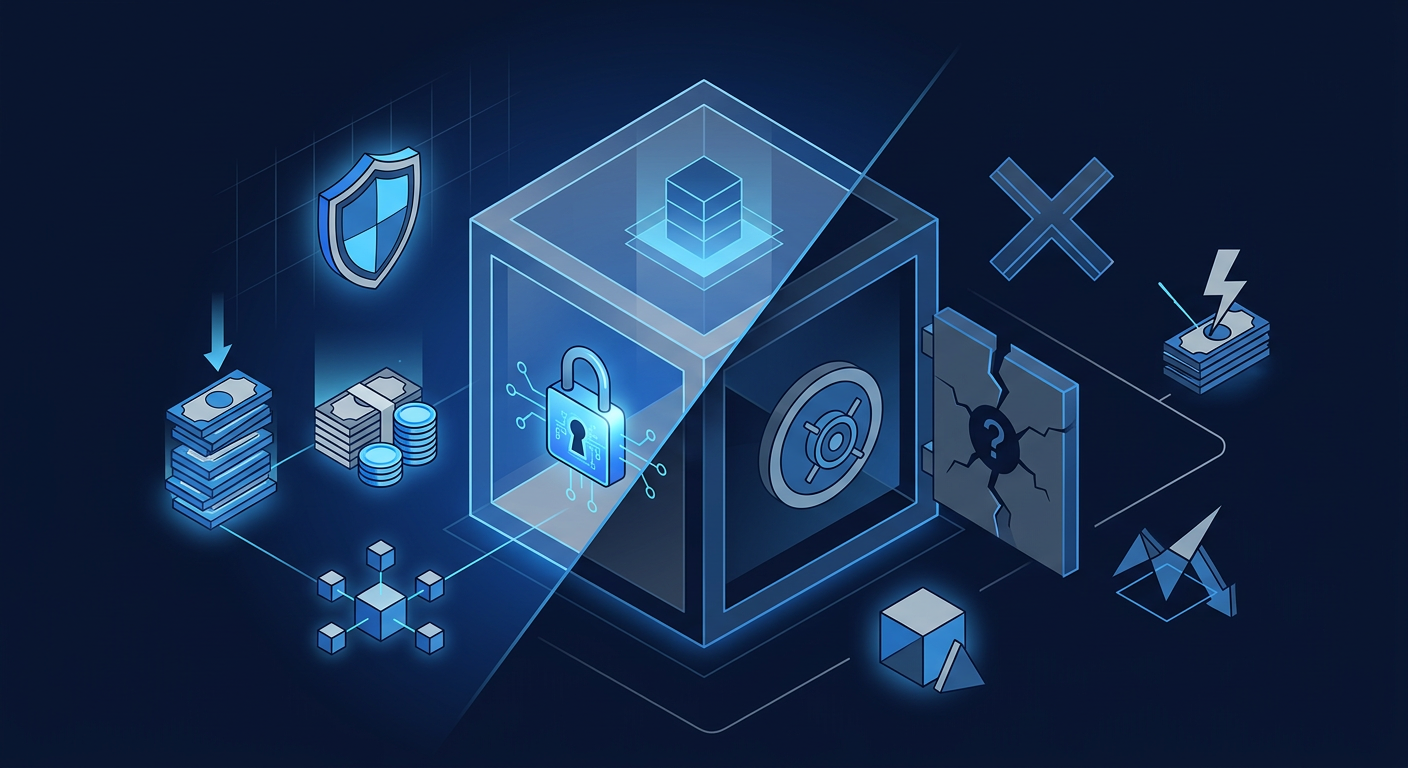
Editor’s choice and best overall value: A carrier that pairs strong ransomware and social engineering sublimits with fast IR and reasonable underwriting for firms under 250 employees. Look for broad system failure triggers and dependent BI that names major cloud providers you rely on for AI customer service workflows.
Best for ransomware resilience and rapid IR: A market with a premier breach coach network and guaranteed four-hour IR engagement. Ideal for MSPs and teams with complex SaaS sprawl where containment speed saves billable hours. Prioritizes pre-incident assessments and backup validation.
Best for professional services and consultants: A policy that dovetails with tech E&O, covers contractual liability carve-backs, and includes media/IP protections. Good for firms subject to client security questionnaires seeking SOC 2-friendly terms and prior-acts options.
Best budget option for microbusinesses and startups: A digital-first provider with instant quotes, minimum premiums, and simplified underwriting. Acceptable sublimits for social engineering and optional crime add-ons help keep costs lean while covering core exposures.
Best for ecommerce and retail with PCI exposure: A carrier experienced in PCI forensic investigations, with coverage for assessment costs where allowed and robust payment fraud protections. Strong dependent BI for payment gateways and fulfillment/logistics platforms.
Best for healthcare and regulated data handlers: A policy tailored to PHI, with panel counsel for HIPAA investigations and notification at scale. Consider higher privacy liability limits, regulatory proceeding coverage, and carve-backs for certain state-backed events where available.
Honorable mentions worth a quote: Regional carriers with boutique IR partners, and MGAs specializing in SMB cyber that package training, phishing simulations, and quarterly risk reports. They often compete well on price while adding practical services.
Provider Reviews and Comparisons

Coverage highlights and notable exclusions matter more than marketing. Favor policies that define “computer system” to include your owned, leased, and cloud-hosted systems. Check exclusions for voluntary parting of funds, prior known events, unencrypted laptops, and failure to maintain minimum security standards. Seek carve-backs when controls were “maintained to the extent practicable.”
Premium ranges depend on revenue, data volume, sector, and controls. Email-reliant firms with strong MFA/EDR see significant credits. Retailers with card data and healthcare with PHI trend higher. Expect underwriting to weigh incident history, vendor sprawl, and reliance on single clouds. Loss ratio pressure can push rates up at renewal after claims or control slippage.
Sublimits for social engineering and funds transfer fraud are a frequent surprise. Policies may default to small sublimits. Ask to align social engineering with your wire volume and typical invoice amounts. Clarify whether coverage applies to both outbound and inbound invoice manipulation, and whether dual approval failure affects recovery.
Incident response panel quality and SLAs drive outcomes. Evaluate named breach coaches, digital forensics, PR, and data mining vendors. Confirm , weekend/holiday coverage, and capacity for large notification runs. Ask if pre-breach introductions and tabletop exercises are included at no cost.
Risk engineering, training, and proactive services can cut frequency and deductible burns. Top carriers provide phishing simulations, DMARC guidance, backup immutability checks, and dark web monitoring. Some offer premium credits for verified control deployments or completion of tabletop exercises and security awareness modules.
Claims process transparency builds confidence. Look for simple first notice of loss, immediate counsel assignment, and clear documentation checklists. Ask brokers for anonymized loss examples: BEC with $180k wire redirection, ransomware with five-day outage, or cloud misconfiguration exposing PII. Satisfaction improves when carriers empower quick containment and pragmatic settlements.
Match providers to your stack. Microsoft 365 shops should ensure coverage recognizes exchange online and cloud email security. Shopify/Stripe retailers need payment and dependent BI strength. Health practices require PHI handling and regulator-facing counsel. AI support firms should emphasize email, ticketing, and integrations across SaaS with vendor-dependent BI.
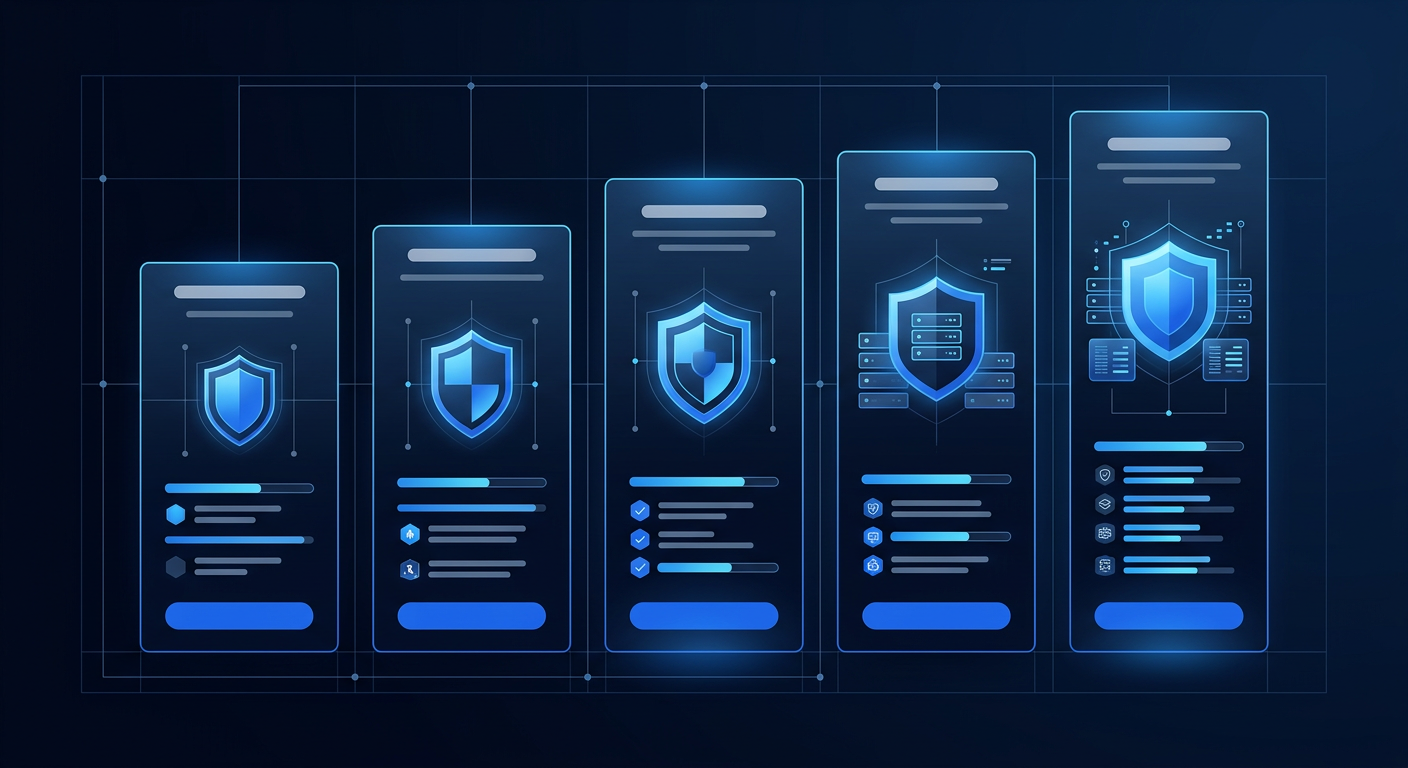
Cyber insurance cost by industry (2026) → cyber insurance cost benchmarks 2026
What Cyber Insurance Typically Covers (and What It Doesn’t) in 2026

First-party coverage includes data restoration, business interruption after a waiting period, cyber extortion payments and negotiation costs, and digital asset loss. Good policies reimburse overtime, hardware reimaging, and increased cost of working. Dependent BI can respond when a key SaaS or cloud provider experiences a covered outage.
Third-party coverage spans privacy liability, network security liability, and media liability. It pays legal defense, settlements, and judgments when you’re accused of failing to secure data, spreading malware, or publishing defamatory or IP-infringing content. Contractual indemnity carve-backs may apply for liabilities you’ve assumed in MSAs.
Commonly covered response services include forensics to determine scope, notification to affected individuals, identity/credit monitoring, call center support, and public relations. Some carriers fund data mining to identify what data was exposed. Look for coverage of consumer-facing website banners, FAQs, and email notifications as part of PR.
Policies commonly exclude contractual liability beyond limited carve-backs, war and hostile acts, and incidents first known before the retro date. Late-reported incidents can be denied if notice provisions are strict. Intentional acts by senior leadership and fines uninsurable by law remain out of scope. Minimum security requirement violations can jeopardize claims.
Trends in 2026 include narrow carve-backs for state-backed attacks when aimed indiscriminately at businesses, not as acts of war. Crime coverage is broadening to better address invoice manipulation and social engineering, yet still sits behind sublimits and verification conditions. Dependent BI is expanding lists of named cloud providers important to SMBs.
Costs in 2026: Premiums, Deductibles, and How to Save
Premiums scale with revenue, record counts, and sector risk. Microbusinesses with under 10 employees and clean controls often pay in the low thousands annually. Mid-sized SMBs handling PHI or payment data trend higher. Prior claims, single-factor email, or weak backups push rates and deductibles upward, especially after market-wide ransomware spikes.
Controls move pricing. MFA on email/admin/VPN is table stakes. EDR with 24/7 alerting, immutable/offline backups with tested restores, and email security with DMARC enforcement produce meaningful credits. Patch cadence, privileged access management, and vendor risk reviews further improve terms. Carriers may tie endorsements to control attestation.
Deductible strategies should align with your loss tolerance. Higher deductibles reduce premiums but stress cash flow during an incident. Model scenarios: a $50k deductible versus $10k with the same limits can save annual premium but requires reserve planning. Choose limits using downtime and potential notification counts.
Bundling options can help. Some carriers package cyber with BOP/E&O for better pricing and contract-ready wording alignment. Risk assessments offered by carriers or brokers can unlock credits if you implement recommendations within a specified timeframe, like enabling MFA or immutable backups.
Reduce total cost of risk with training and tabletop exercises. Quarterly phishing simulations, vendor access reviews, and a two-hour tabletop can prevent claims or shrink losses. Keep incident response plans current and practice escalation, evidence preservation, and decision rights. Document improvements; carriers value this at renewal.
A simple pricing view:
| SMB profile | Typical limits | Common deductible | Pricing drivers | Savings levers |
|---|---|---|---|---|
| Micro (≤10 staff), SaaS/consulting | $250k–$1M | $2.5k–$10k | Email fraud, vendor outages | MFA everywhere, EDR, DMARC |
| Retail/ecommerce | $500k–$2M | $5k–$25k | PCI exposure, dependent BI | Payment gateway controls, WAF |
| Healthcare clinic | $1M–$3M | $10k–$50k | PHI volume, HIPAA | Encrypted EHR, audit logs |
| MSP/IT services | $1M–$5M | $10k–$50k | Ransomware, vendor risk | Immutable backups, EDR SOC |
Application and Underwriting: How to Get Approved Faster

Carriers will ask what assets you protect, data types stored, critical vendors, and incident history. Prepare counts of PII/PHI records, payment transactions, and countries of operation. Document your cloud/SaaS usage and integrations that support AI customer service workflows, like helpdesk platforms and CRM systems.
Proof of controls accelerates binding. Provide screenshots or reports for MFA enforcement, backup immutability and test-restores, patch cadence SLAs, and endpoint visibility via EDR. Email security configurations, including DKIM/DMARC, and privileged access logs help. Carriers appreciate evidence of centralized identity like Entra ID or Okta.
Compile a tech stack inventory and policies. Maintain an Incident Response Plan, Business Continuity Plan, and access control policy. Have vendor risk assessments for key SaaS and MSPs, with SOC 2/ISO attestations on file. Show data retention schedules and encryption at rest/in transit where applicable. A concise PDF packet speeds underwriting.
Avoid pitfalls that cause declinations: no MFA on email or remote access, no tested backups, unsupported legacy systems exposed to the internet, or material misstatements about controls. If you are mid-implementation, disclose timelines and interim mitigations. Honesty allows underwriters to propose conditional terms instead of declining.
Work with experienced brokers for multi-carrier quotes and wording negotiations. Digital-direct options suit microbusinesses, but complex stacks and contractual requirements benefit from broker advocacy. Brokers can escalate to carrier product teams, request endorsements, and position your controls favorably to reduce premium and improve terms.
Real-World Scenarios: Claims and Coverage Gaps to Watch

Ransomware with data exfiltration and double extortion triggers forensics, restoration, extortion, and potentially privacy liability if data was accessed. Strong backup immutability and ringfenced admin credentials speed recovery. Policies may require carrier-led negotiators; do not engage threat actors independently to preserve coverage.
Business email compromise and funds transfer fraud often start with invoice tampering. Social engineering and crime endorsements respond when you meet verification conditions. Train AP/AR teams on call-back protocols to known numbers, dual approvals, and domain lookalike detection. Push for higher sublimits matching wire sizes.
A third-party vendor breach that exposes your customer PII can trigger your privacy liability and notification costs, even if your systems were not breached. Dependent BI may respond if outages at your SaaS vendor halt operations. Vet vendors’ security and negotiate contractual indemnities, but expect your policy to step in first.
Ecommerce outages during peak season highlight dependent BI terms. Confirm waiting periods, hourly versus daily indemnity, and coverage for non-malicious system failure at cloud providers. Consider adding extra expense cover for temporary storefronts, additional ad spend, and customer communication to reduce cart abandonment.
Regulatory investigations after a healthcare incident demand counsel experienced with HIPAA and state AGs. Coverage may extend to civil penalties where insurable. Rapid notification, accurate data scoping, and cooperation with regulators reduce penalties. Ensure your policy includes costs for patient notification, credit monitoring, and call centers.
Lessons learned: report quickly, use panel vendors, preserve logs, and document all decisions under counsel. At renewal, share remediation steps. Carriers reward hardened environments and may restore or improve terms faster after a clean post-incident year.
Action Plan: Picking the Best Cyber Insurance for Your Small Business in 2026
- Confirm first- and third-party coverage breadth with clear definitions.
- Verify ransomware, social engineering, funds transfer, and dependent BI endorsements.
- Match limits and sublimits to revenue, daily downtime cost, and typical wire sizes.
- Review incident response SLAs, breach coach access, and vendor panel quality.
- Ensure regulatory alignment for your sector and client contract needs.
Questions to ask your broker and carrier:
- What is the average time to engage forensics on weekends and holidays?
- Can we pre-vet and add our preferred IR vendors to the panel?
- How are social engineering claims adjudicated, and what verification steps are required?
- Does dependent BI include our named cloud/SaaS providers, and what is the waiting period?
- Are prior acts and retro dates negotiable?
Coverage comparison worksheet items:
- Definitions: computer system, data, security failure, system failure.
- Limits and sublimits: ransomware, social engineering, invoice manipulation, media.
- Deductibles and waiting periods.
- Exclusions and carve-backs: war, contractual liability, minimum security.
- Services included: tabletop, phishing training, DMARC setup, risk assessments.
Implementation plan:
- Onboard IR partners with pre-breach introductions and test hotline access.
- Run a tabletop exercise covering BEC and ransomware with finance and IT.
- Validate immutable backups with a documented test restore.
- Enforce MFA on email/admin/VPN and deploy EDR with 24/7 monitoring.
- Schedule quarterly vendor access reviews and phishing simulations.
Annual renewal roadmap:
- Track incidents, near-misses, and control improvements.
- Recalculate limits based on revenue growth and vendor reliance.
- Request credits for completed trainings and assessments.
- Update IR plan, contact trees, and evidence preservation runbooks.
- Start the marketing process 60–90 days before expiration to avoid rush terms.
[Cyber incident response playbook → IR guide for SMBs]
Conclusion: Next Steps to Secure Coverage
The right cyber policy turns a worst day into a manageable project. Prioritize ransomware, social engineering, and dependent BI, then validate the carrier’s IR muscle. Map limits to downtime cost and wire exposure, and lock in credits by tightening MFA, EDR, and backups. Next step: assemble control evidence and request brokered quotes within the next five business days.
[Best cybersecurity tools for small businesses → smb cybersecurity stack and vendor picks]
FAQ
What is the difference between first-party and third-party cyber coverage?
First-party pays your costs to investigate, restore, and continue operations after an attack, plus extortion and notification expenses. Third-party covers legal defense, settlements, and judgments when others claim you failed to protect data or security. Most SMBs need both, with endorsements for social engineering, funds transfer fraud, and dependent business interruption.
How much cyber insurance should a small business buy in 2026?
Set limits based on data volume, regulatory exposure, and downtime costs. Estimate and expected outage duration, then add response and notification costs. Many microbusinesses buy $250k–$1M, while regulated sectors or ecommerce with peak-season risk consider $1M–$3M or more. Align social engineering sublimits with typical wire amounts.
Will weak security controls cause a declination or surcharge?
Yes. Missing MFA on email or remote access, no immutable backups, or legacy unpatched systems often trigger declinations or steep premiums and deductibles. Carriers increasingly require baseline controls before binding. Demonstrate EDR deployment, backup test-restores, and email security to earn credits and broader endorsements at better pricing.
Does cyber insurance cover cloud and SaaS outages?
Often, but only with the right wording. Dependent business interruption covers losses from outages at your cloud or SaaS providers when caused by a covered event. Confirm named providers, waiting periods, and system failure coverage for non-malicious outages. Ensure policy definitions include hosted and managed third-party systems you rely on.
Are regulatory fines and penalties covered?
Coverage varies by jurisdiction and policy. Some policies cover civil fines and penalties where insurable by law, especially for privacy or HIPAA-related matters. They also fund legal defense and response costs during investigations. Review exclusions and carve-backs carefully, and coordinate with counsel to ensure compliance and maximize recoverability.
How fast does incident response begin after a claim?
Top carriers route hotline calls to breach coaches immediately and engage forensics within hours, including nights and weekends. Ask for written SLAs and confirm the IR panel’s capacity. Pre-breach introductions and a tabletop exercise help you hit the ground running, reduce downtime, and improve claim outcomes.