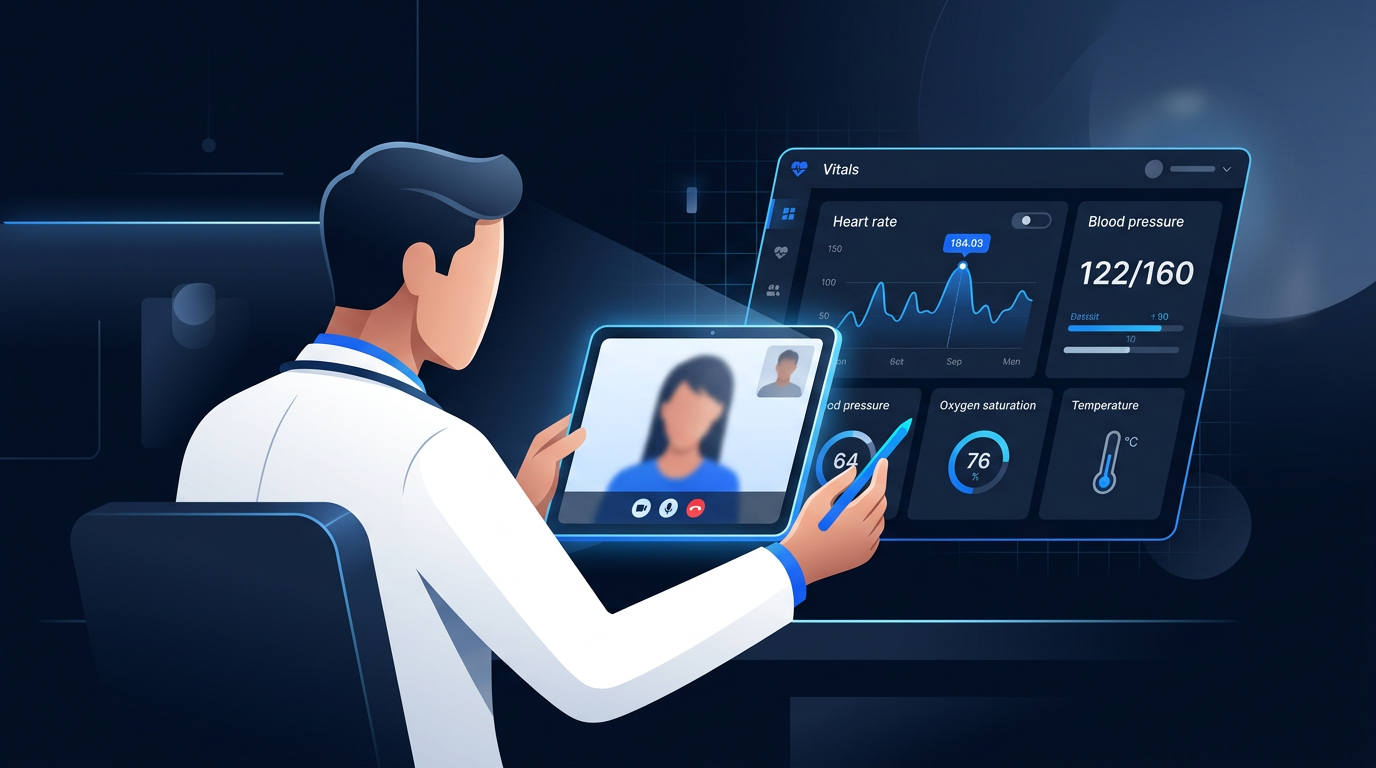
Best EHR for Telehealth & Remote Patient Monitoring: Top Picks 2026
Choosing the best EHR for telehealth and remote patient monitoring can unlock new revenue while improving access and outcomes. The right platform streamlines virtual visits, ingests FDA-cleared device data, and automates RPM billing. This guide details selection criteria, scoring, and top EHR picks for virtual-first clinics and chronic care programs. You’ll find concrete workflows, integrations, and ROI levers you can act on now without adding administrative drag.
comparison stack star ratings and badges
Key takeaways
- Prioritize integrated telehealth + native RPM ingestion, not bolt-ons; this cuts documentation time and reduces claim edits.
- Demand FHIR R4 APIs, HL7 v2, C-CDA, and Direct for clean data exchange and referrals.
- Insist on automated RPM billing support, including time tracking and claim scrubbing for 99453–99458 and 98975–98981.
- Score vendors on device ecosystem breadth, alert fatigue controls, and care team collaboration.
- Model total cost with device subsidies, cellular data, support tiers, and expected adherence.
What to Look For in the Best EHR for Telehealth and Remote Patient Monitoring

Leading platforms bundle telehealth scheduling, e-consent, virtual notes, and e-prescribing. One-click video launch and built-in interpreter services reduce no-shows and improve throughput. For hybrid clinics, look for seamless shift from virtual triage to in-person visits. Preserve a single encounter record and minimize context switching for clinicians during handoffs.
Native RPM integrations reduce setup and troubleshooting. Favor vendors with FDA-cleared data pathways and device identity management. Require validated ingestion for blood pressure cuffs, scales, pulse oximeters, ECG patches, and glucometers. Confirm readings include provenance, timestamps, and units normalization. This avoids manual reconciliation and ensures safe, auditable workflows.
Ensure deep interoperability. FHIR R4 resources should expose Observations, CarePlans, and Device metrics. HL7 v2 supports ADT alerts, while C-CDA continuity documents expedite transitions. Direct Secure Messaging enables secure referrals. For scalability, confirm bulk FHIR export and event-driven Subscriptions. These keep dashboards updated in near real time without polling overhead.
Clinical safety rests on real-time vitals dashboards and decision support. Look for configurable thresholds, trend analysis, and multi-signal rules. Effective systems suppress noisy alerts and surface deterioration signals using moving averages and patient baselines. Tight EHR-task workflows accelerate nurse triage. On-call escalation should be timed and documented.
Collaboration tools keep teams aligned. Secure messaging, shared task queues, and cross-coverage handoffs reduce leakage between shifts. A robust patient portal with multilingual support, accessibility features, and read receipts improves engagement. For SMBs, templates for education and self-management tied to device readings build habit loops and reinforce coaching.
Billing and compliance should be turnkey. Verify HIPAA alignment, ONC Certification specifics, and 21st Century Cures APIs. RPM and RTM CPT code workflows need automated enrollment validation, monitoring time capture, and audit trails. Claim scrubbing with payer-specific rules lowers denials and rework. That improves cash flow and reduces month-end stress.
Analytics and population health matter for chronic care. Dashboards should segment by condition, adherence, and risk scores. Cohort trend visualizations help refine care plans and outreach sequencing. Look for user-friendly exports to BI tools and prebuilt reports aligned to quality measures. Support for value-based contract metrics shortens reporting cycles.
Key Evaluation Criteria and Scoring Framework

Clinical usability determines adoption. Measure telehealth documentation speed and steps to complete common tasks. Track clicks from check-in to e-prescribe, note template efficiency, and smart phrase coverage. Assess how quickly nurses can launch a video, review vitals, and log monitoring time. Doing all this inside one encounter is ideal.
Device ecosystem breadth drives enrollment. Confirm support for BP cuffs, scales, SpO2, ECG, glucometers, and wearables across brands. Cellular-enabled options reduce Wi‑Fi issues for patients. Ask about device logistics, activation success rates, and remote troubleshooting workflows. These prevent attrition and reduce calls to your front desk.
Data quality underpins safety and revenue. Favor platforms that normalize units, label device source, and de-duplicate readings. Trend analytics with configurable smoothing and outlier detection minimize alert fatigue. Evaluate how “mute,” “snooze,” and “acknowledge with follow-up” are logged. You will need these records for audits and quality reviews.
Compliance readiness protects your license and reimbursements. Look for immutable audit trails, ePHI encryption, consent capture with versioning, and granular access policies. For telehealth recordings, examine retention settings, access logs, and legal holds. This helps meet internal policy and state-law constraints without custom development.
Revenue cycle needs automation. Best-in-class systems pre-qualify RPM eligibility, capture patient consent, track cumulative minutes, and assemble claims with correct modifiers. Denial prevention requires payer-specific edits and frequency checks. Run eligibility re-verification before month-end billing to avoid delayed payments and rebills.
Implementation speed is strategic. Time to first claim matters for cash flow. Vendors should provide live training, role-based curricula, and change management support. A staged rollout—pilot cohort, feedback loop, and standard operating procedures—prevents clinician fatigue. It also accelerates safe scale-up across service lines.
Total cost of ownership extends beyond licenses. Model device costs, shipping, cellular plans, replacement rates, and data fees. Add support tiers and integration maintenance. Compare per-clinician versus per‑patient‑per‑month pricing. RPM-heavy programs often benefit from bundled kits, pooled data, and activation guarantees that de-risk spend.
Customer support quality is measurable. Examine SLAs, first-response time, resolution time, and escalation paths. Ask for outcomes metrics, such as adherence lift, average minutes billed per patient, and readmission reduction in similar populations. These indicators help forecast ROI and guide staffing plans with evidence.
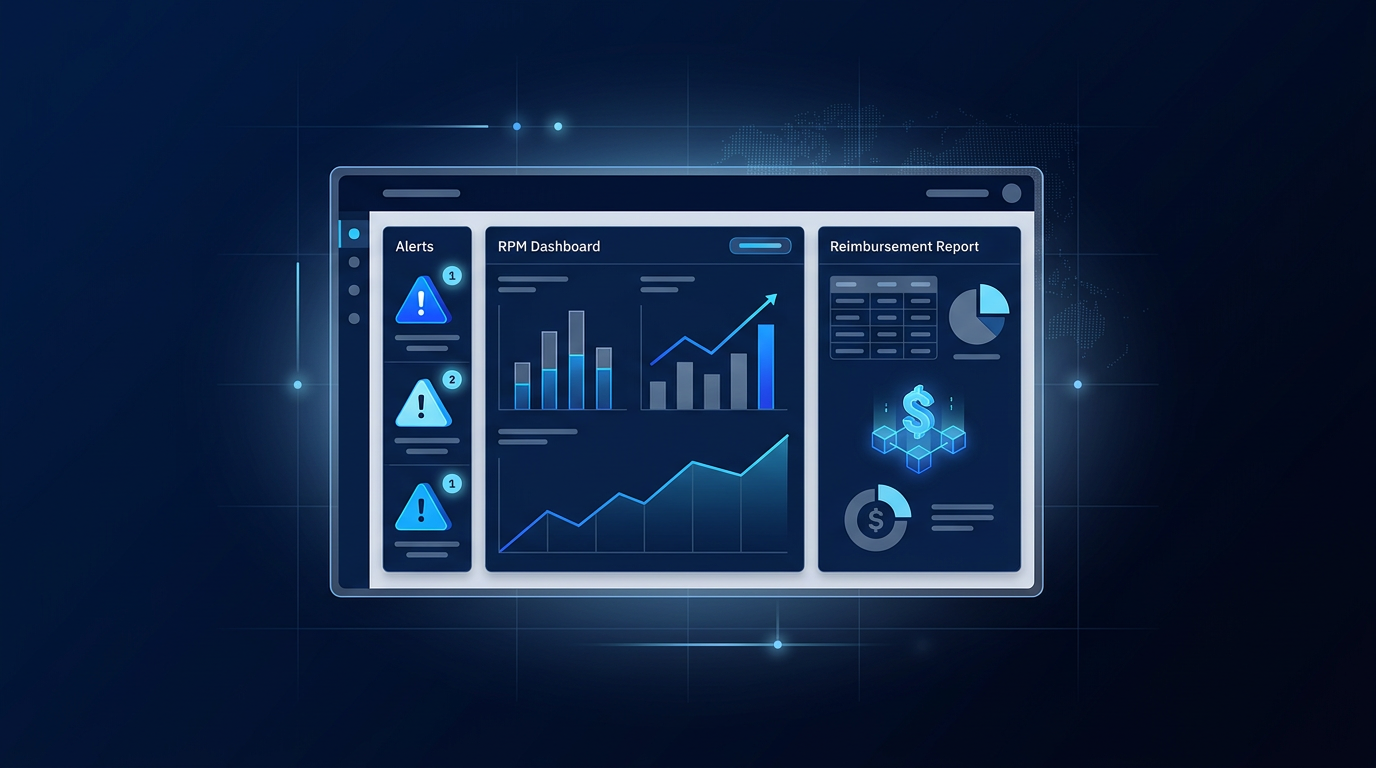
Top EHRs for Telehealth-First Clinics

Vendors with native video, e-consent, and virtual triage reduce friction at every touchpoint. One-click visit launch from the schedule view, pre-visit device checks, and automated intake flows help clinicians start on time. Systems offering multi-party video and interpreter services support family involvement and language access without external tools.
Urgent care and behavioral health demand stability under peak loads. Behavioral visits benefit from asynchronous messaging and e‑visits for follow-up between sessions. Urgent care workflows require quick charting, e-prescribing with PDMP checks, and easy handoffs to in-person care. Hybrid primary care needs smooth transitions across modalities.
Standout features include virtual waiting rooms and broadcast education during queueing. Smart documentation that auto-populates vitals reduces clicks. Coding suggestions based on visit context help accuracy. Look for SDKs or built-in widgets that embed video in the clinical note. This avoids app switching and preserves reliable time tracking.
Limitations exist and vary by vendor. Some platforms are bandwidth sensitive and degrade on weak connections, raising no-show risks. White-labeling may be limited to logos and colors, not custom domains. Evaluate how branding, SMS reminders, and portal URLs appear to patients. Protect your practice identity and patient trust at scale.
Ideal fits include new virtual-first practices and multi-state expansion models that value rapid deployment, integrated payments, and scheduling at scale. Seek vendors with credentialing support, payer directory mapping, and telehealth policy guidance. These services keep operations compliant while your panel grows.
Best EHRs for Remote Patient Monitoring Programs
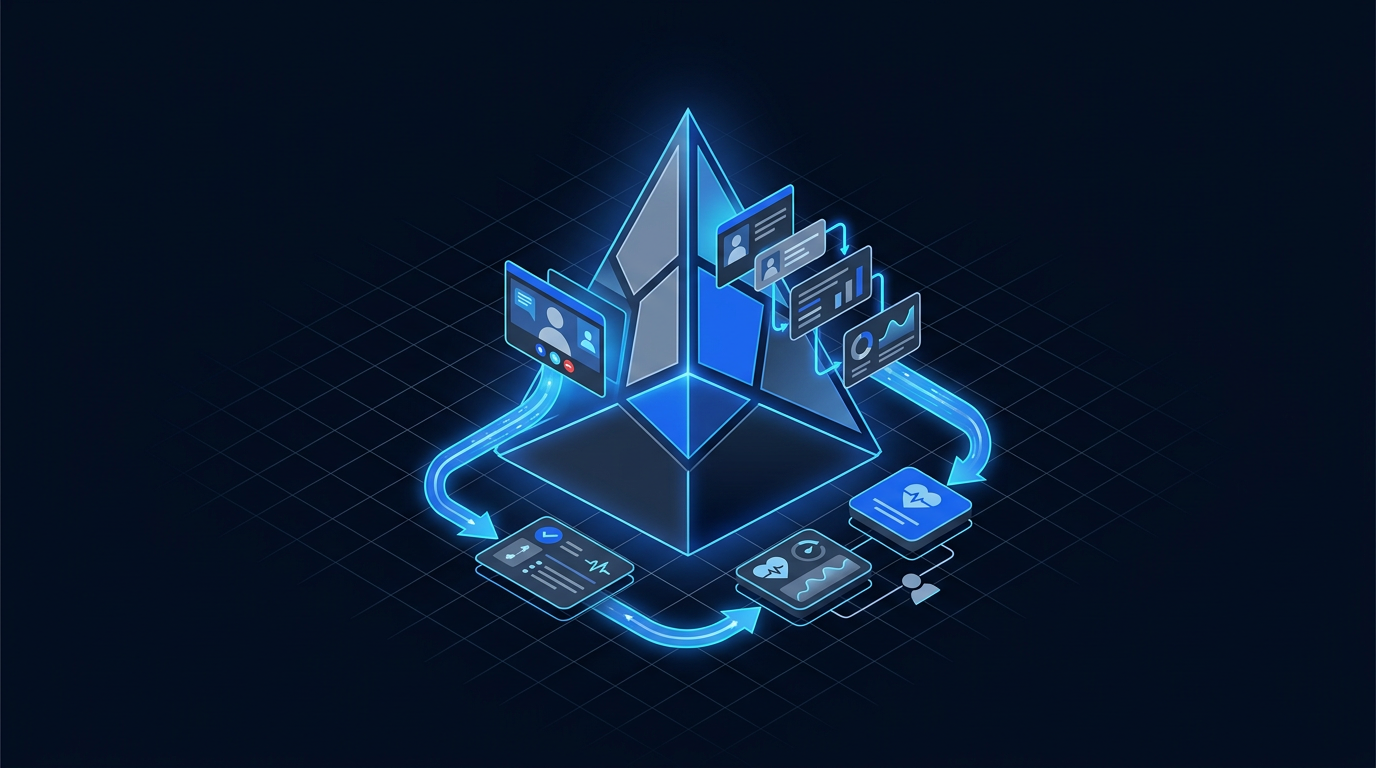
Decide between built-in RPM hubs and partner marketplaces. Native hubs simplify data flow and billing, while marketplaces expand device choice. Confirm whether each device’s readings map to FHIR Observation profiles and include provenance. For cellular kits, ask about pre-provisioned SIMs, pooled data plans, and coverage testing results.
Automated ingestion and rules engines are essential. Configure thresholds by diagnosis and device type, then route alerts to role-based queues. Prioritize by deviation from baseline, rate of change, and multi-signal patterns. Systems should support escalation ladders from patient outreach to clinician review. Include 911 guidance protocols when criteria are met.
Care management modules should bundle condition pathways for hypertension, heart failure, COPD, and diabetes. Look for integrated education, medication reconciliation prompts, and coaching scripts. Templates for social determinants and adherence risk scores help target high-yield interventions. Use these tools to personalize nudges that sustain engagement.
Billing readiness hinges on time tracking and documentation for CPT 99453, 99454, 99457, 99458, and RTM codes 98975–98977, 98980–98981. Best platforms auto-calc minutes across staff and prevent duplicate billing. They assemble monthly claims with device supply validation. Audit views should show who did what, when, and why in a single timeline.
Nurse triage needs efficient alert prioritization. Systems that surface context—recent notes, meds, comorbidities, and previous outreach—shorten call times. Integrated, secure chat, and templated documentation accelerate resolution. Quality gates reduce unnecessary escalations while preserving safety and follow-up accountability.
Data visualization must be actionable. Trend lines, percentile bands, and adherence charts identify outliers and engagement dips. Patient-level timelines combining vitals, meds, and events reveal causal clues. Exportable dashboards support leadership reviews and payer reporting. These artifacts strengthen value-based negotiations with evidence.
Interoperability and Data Integration for RPM at Scale

Integration with HIEs, labs, pharmacies, and hospital ADT feeds closes gaps across settings. Admit, discharge, and transfer events can trigger outreach and post-discharge RPM enrollments. C-CDA summaries provide continuity, and e-prescribing integrations simplify med titrations. These bridges reduce duplicate work and missed follow-ups.
Maintain a single patient record across modalities. Virtual encounters, in-person visits, and device data should live in one chart with clear provenance. Care plans need configurable goals, tasks, and patient-facing views that reflect real progress. Role-based visibility prevents clutter while preserving compliance and clinical clarity.
Roadmaps for TEFCA and Qualified Health Information Network connectivity will influence referral speed and record liquidity. Ask for documented milestones, pilot participation, and early access programs. Vendors investing here reduce your fax and portal-chasing burden over time. This also supports smoother cross-organization care coordination.
Data governance underpins trust. Define retention timelines, data lineage, and consent directives with revocation paths. Patient controls for sharing should be auditable. For de-identification, evaluate built-in tools or pipelines suited for research and quality improvement initiatives. Avoid methods that risk re-identification of ePHI.
Security, Compliance, and Risk Management

Role-based access control and SSO/SAML reduce risk and streamline onboarding. Delegated admin workflows permit least-privilege assignments with rapid revocation on role changes. For telehealth recordings, enforce explicit consent, retention caps, and granular access logs. Ensure you can disable recording globally or by visit type when policy shifts.
Mobile device management policies should cover both clinician and patient endpoints. For patients, prefer devices that ship locked down with auto-updates and limited app stores. For clinicians, require biometric unlock, remote wipe, and jailbreak or root detection. Clear incident response runbooks reduce recovery time and confusion.
Business associate agreements, third-party risk assessments, and continuous monitoring are non-negotiable. Vendor transparency on sub-processors and data flow diagrams helps you meet your own audits. Track regulatory changes tied to 21st Century Cures and information blocking. These updates affect patient data access and API behaviors.
Accessibility and equity matter. WCAG-compliant portals, language access via interpreters, and low-bandwidth modes keep programs inclusive. Provide SMS-first reminders and voice options for the digitally limited. Capture preferred language and communication modality. Tailor outreach to reduce disengagement among high-risk or underserved patients.
Workflow and Patient Experience Features That Matter
Self-scheduling with eligibility checks reduces staff load and friction. Smart reminders via SMS and email, with calendar links and device prep tips, lower no-shows. Insurance capture and real-time benefits help set RPM expectations, including potential copays and program duration. Transparent messaging improves trust and adherence.
Pre-visit intake should handle e-forms, PROs, and consent with conditional logic. Store-and-forward photos or measurements enrich telehealth assessments without live time. Asynchronous chat and e‑visits resolve low-acuity issues without synchronous appointments. This improves access and clinician flexibility in compressed schedules.
Care team collaboration depends on chat, tasking, and cross-coverage handoffs. Threaded conversations linked to encounters prevent context loss and misrouting. Shift summaries and routing rules ensure no alert sits idle. Templates for outreach and escalation keep responses consistent. They also produce auditable, repeatable outcomes.
Patient coaching tied to RPM data is powerful. Trigger education modules when readings drift outside goals. Gamify adherence with streaks and gentle nudges that respect patient preferences. Offer multi-lingual content and large-font options for accessibility. Track engagement scoring to target outreach and predict churn risk.
Device logistics can make or break RPM. Vendors offering shipping, activation, welcome calls, and tech support lift enrollment and adherence. Ensure RMA and replacement flows are fast with tracked shipping. For cellular kits, monitor connectivity health and battery alerts proactively. This pre-empts data gaps and ticket backlogs.
Pricing, Contracts, and ROI for Telehealth and RPM EHRs
Pricing models vary: per-clinician licenses suit visit-heavy clinics, while per‑patient‑per‑month aligns with RPM enrollments. Bundled RPM kits with cellular data reduce friction for scaling. Watch for overage fees on data ingestion, alert volumes, or video minutes. Clarify support tiers and after-hours coverage costs before go-live.
Hardware and connectivity expenses add up quickly. Budget for device procurement, spares, shipping, returns, and replacements. Cellular plans should be pooled and monitored for anomalies. Negotiate device subsidies tied to volume or multi-year terms. Ask for activation and adherence guarantees with clawbacks to protect margins.
Reimbursement optimization requires documentation automation and denial prevention. Systems that validate eligibility, capture consent, and reconcile device days minimize write-offs. Claim scrubbing with payer edits, modifier checks, and frequency rules protects margin. Regular revenue audits catch leakage early and keep KPIs honest.
Track KPIs consistently:
- Enrollment rate and activation within seven days
- Adherence days per month and average RPM minutes billed
- Alert- time and resolution time
- Telehealth no-show rate and denial rate by payer
- Readmission rates for targeted cohorts and staff productivity
Negotiate smartly. Seek implementation credits, integration fee caps, and data export rights. Lock in pricing bands for volume growth and obtain device buyback or upgrade options. Clarify data caps and burst pricing before scale. Secure named support contacts and quarterly business reviews to maintain alignment.
Case study payback varies by panel size and condition mix. Programs can breakeven quickly when adherence is high and time tracking is automated. Model sensitivity to no-show reductions, minutes per patient, and denial rates. Treat staffing assumptions as the primary ROI lever. Adjust panel sizes as real metrics arrive.
How to Choose the Best EHR for Telehealth and Remote Patient Monitoring in 2026
Map clinical use cases first: hypertension, heart failure, COPD, diabetes, behavioral health, maternity, and post-acute. Identify target cohorts, inclusion criteria, and escalation thresholds. Align visit types and staffing models to patient acuity, device complexity, and expected outreach volume. Document handoffs clearly.
Run a pilot with a defined device mix, alert thresholds, and nurse coverage. Measure activation success, adherence, average minutes billed, and alert resolution times. Iterate templates and rules weekly based on data. Build SOPs and a playbook before expanding to new conditions or geographies to maintain reliability.
Conduct vendor due diligence. Request references that match your specialty, panel size, and payer mix. Review uptime history, security attestations, and roadmap transparency. Insist on sandboxes, API docs, and demo scripts that mirror your workflows, including failed-claim scenarios. Validate support responsiveness with test tickets.
Change management determines success. Appoint clinician champions, define standardized protocols, and create quick-reference guides. Use short, role-specific training with competency checks. Celebrate early wins and publish metrics weekly. Remove friction ruthlessly—every extra click steals time, focus, and adoption energy from the team.
Plan the implementation timeline. Week 0–2: contracting, device procurement, and environment setup. Week 3–4: pilot training and go-live. Week 5–8: optimization and expansion planning. Month 3+: scale cohorts, renegotiate device pricing, and formalize quarterly business reviews tied to KPIs and revenue cadence.
HIPAA-Compliant Video Conferencing Tools HIPAA video tools
Conclusion
Selecting the best EHR for telehealth and remote patient monitoring hinges on integrated workflows, reliable device data, and automated billing. Use the scorecard, run a four-week pilot, and measure activation, adherence, and minutes billed. Next step: shortlist three vendors, schedule demos that mirror your workflows, and request a 60-day pilot proposal with clear KPIs.
FAQ?
See the guidance above for the relevant criteria and next steps.
Do I need native RPM, or is a marketplace integration enough?
Native RPM reduces setup and billing complexity, while marketplaces expand device choice. If speed to value and simpler support are priorities, choose native. If you manage diverse conditions and brands, a strong marketplace with validated data mapping and cellular kits may be better. Verify audit trails and payer edits in both approaches.
How should small practices model costs and ROI?
List software licenses, device kits, cellular data, shipping, replacements, and support. Estimate enrollment, activation, adherence days, and minutes billed per patient. Include denial rates and staffing costs in your forecast. Use sensitivity ranges for adherence and escalation volume. Negotiate device subsidies and implementation credits to shorten payback.
Which interoperability standards matter most for RPM at scale?
FHIR R4 for Observations, CarePlans, and Subscriptions; HL7 v2 for ADT; C-CDA for continuity of care; and Direct Secure Messaging for referrals. SMART on FHIR enables extensions without custom builds. Ask for bulk export and event-driven updates to keep dashboards current. These standards reduce rework and improve data integrity.
How can we reduce alert fatigue without missing deterioration?
Start with conservative thresholds, then personalize using baselines and rules. Use multi-signal logic and snooze or acknowledge workflows with required follow-ups. Review false positives weekly and adjust cohorts. Ensure the EHR logs all actions and supports escalation ladders that route the right alerts to the right role every time.
What KPIs should leadership review monthly?
Track enrollment rate, activation within seven days, adherence days per month, average RPM minutes billed, first-contact time on alerts, no-show rate for telehealth, and denial rate by payer. Add readmission rates for targeted cohorts and staff productivity metrics. Use these to tune staffing models, thresholds, and device logistics as the program scales.