Best Home Battery Backup Installation Services Near You: A Complete Guide
Finding the best home battery backup installation services near me can feel overwhelming. The stakes are high: you want reliable outage protection, lower bills, and safe, code-compliant work. This guide shows you exactly how to evaluate installers, size your system, compare quotes, and time your purchase to incentives—so you get resilient power and a fair, transparent price.
- What home battery backup systems do and why they matter
- Who this guide is for: homeowners, solar users, and preparedness planners
- How to use this guide to find the best home battery backup installation services near me
Key takeaways:
- Shortlist installers with state electrical licenses, NABCEP certification, and proof of insurance.
- Ask for a load analysis, single-line diagram, and a full equipment list with warranty terms.
- Target batteries with LFP chemistry for safety/longevity, and ensure UL 9540/9540A compliance.
- Leverage federal ITC and local rebates; verify interconnection timelines with your utility.
What Is a Home Battery Backup and How It Works
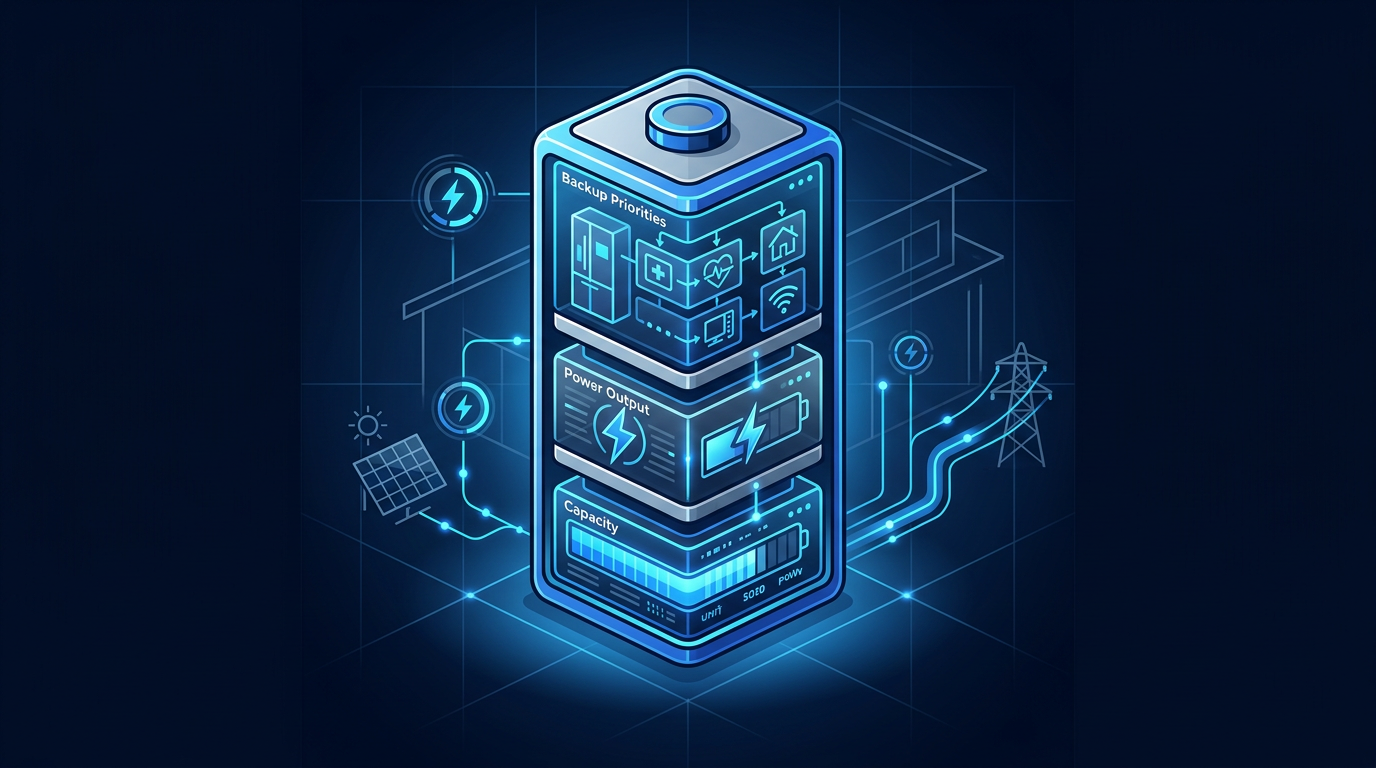
A home battery backup stores electricity to power your home during outages or expensive peak periods. Core hardware includes a battery, inverter, gateway or transfer switch, and a monitoring app. The system charges from solar or the grid and automatically supplies critical circuits when power fails. Properly installed, the switchover is seamless and fast, often under a second.
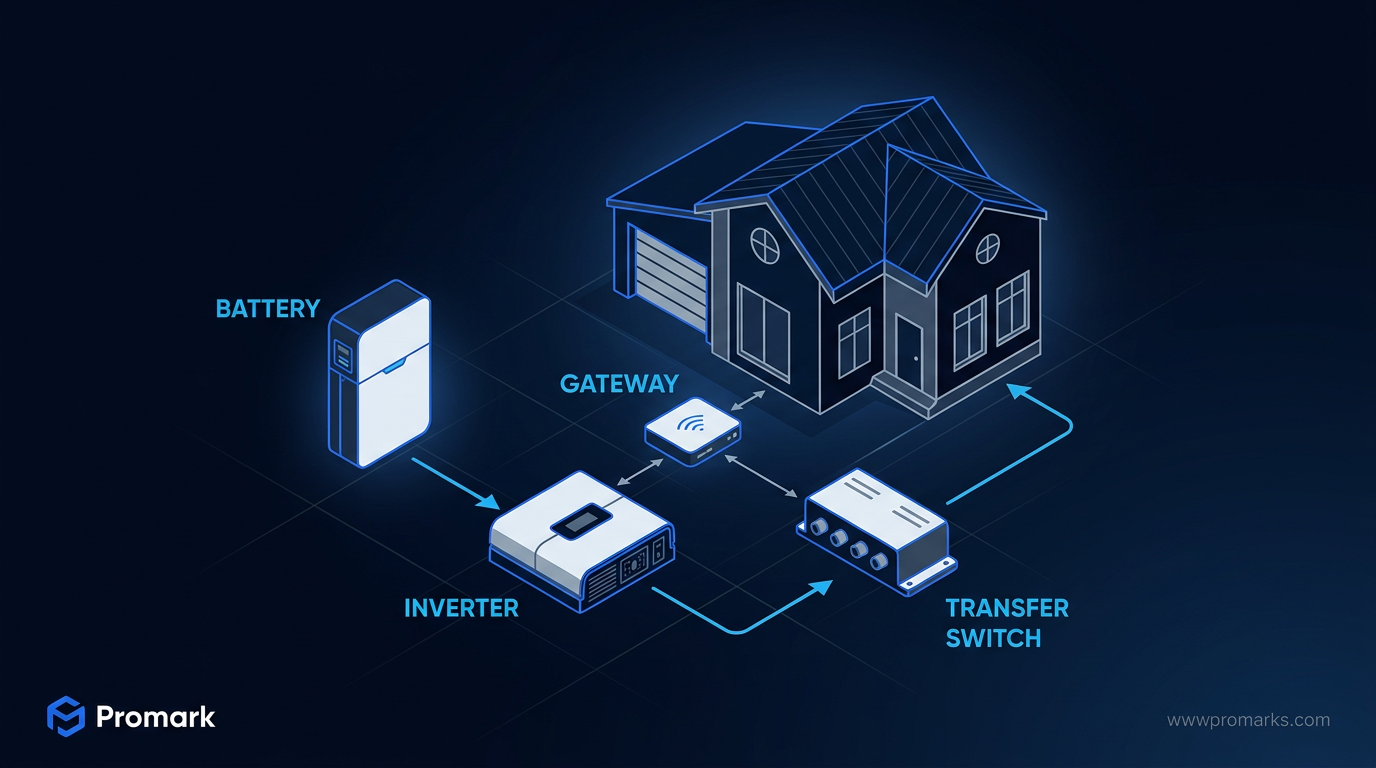
Core components: battery, inverter, gateway/transfer switch, monitoring
- Battery: Stores energy (kWh). Wall-mounted or floor-standing modules.
- Hybrid or battery inverter: Converts DC to AC and manages charging.
- Gateway/automatic transfer switch: Islanding and load control during outages.
- Monitoring: App-based controls, firmware updates, and performance data logging.
Key battery chemistries (LFP vs NMC) and why it matters
- LFP (lithium iron phosphate): Higher thermal stability, longer cycle life, slightly lower energy density. Often preferred for residential safety.
- NMC (nickel manganese cobalt): Higher energy density, may be lighter/compact. Can have lower cycle life and higher thermal sensitivity. Verify UL 9540/9540A certification and enclosure ratings.
Whole-home vs partial-home backup and load management basics
- Whole-home: Requires higher power output (kW) and larger capacity (kWh), plus careful management of large loads.
- Essential loads: Backs up only critical circuits via a subpanel for refrigerators, Wi‑Fi, lighting, and medical devices.
- Smart load management: Uses gateways or smart panels to shed EV chargers, HVAC, or water heaters during outages.
Grid-tied,, and off-grid setups
- Grid-tied backup: Charges from grid and discharges during outages/peaks; requires utility interconnection.
- Solar-plus-storage: Uses rooftop PV to recharge batteries during the day for longer outage resilience.
- Off-grid: Fully independent; demands larger capacity, generator integration, and careful load planning.
Whole-home backup vs. essential loads: which is right?
Benefits of Installing a Home Battery Backup
Power outage protection and seamless switchover Automatic transfer systems detect grid loss and switch to battery power in under a second for many setups. Refrigerators, networking gear, and garage doors continue operating. With, daytime PV can recharge the battery for multi-day resilience, weather permitting.
Lower bills via peak shaving and optimization In TOU markets, batteries discharge during peak price windows and recharge off-peak or from solar, reducing your bill. Some utilities support demand charge reduction for high-usage customers. Set schedules in the app to target your rate plan’s most expensive hours.
Solar self-consumption and net metering optimization Where net metering is limited or export rates are low, storage increases self-consumption by holding midday solar for evening use. That reduces grid imports at night. In markets with dynamic export limits, a battery helps meet compliance without curtailing solar production.
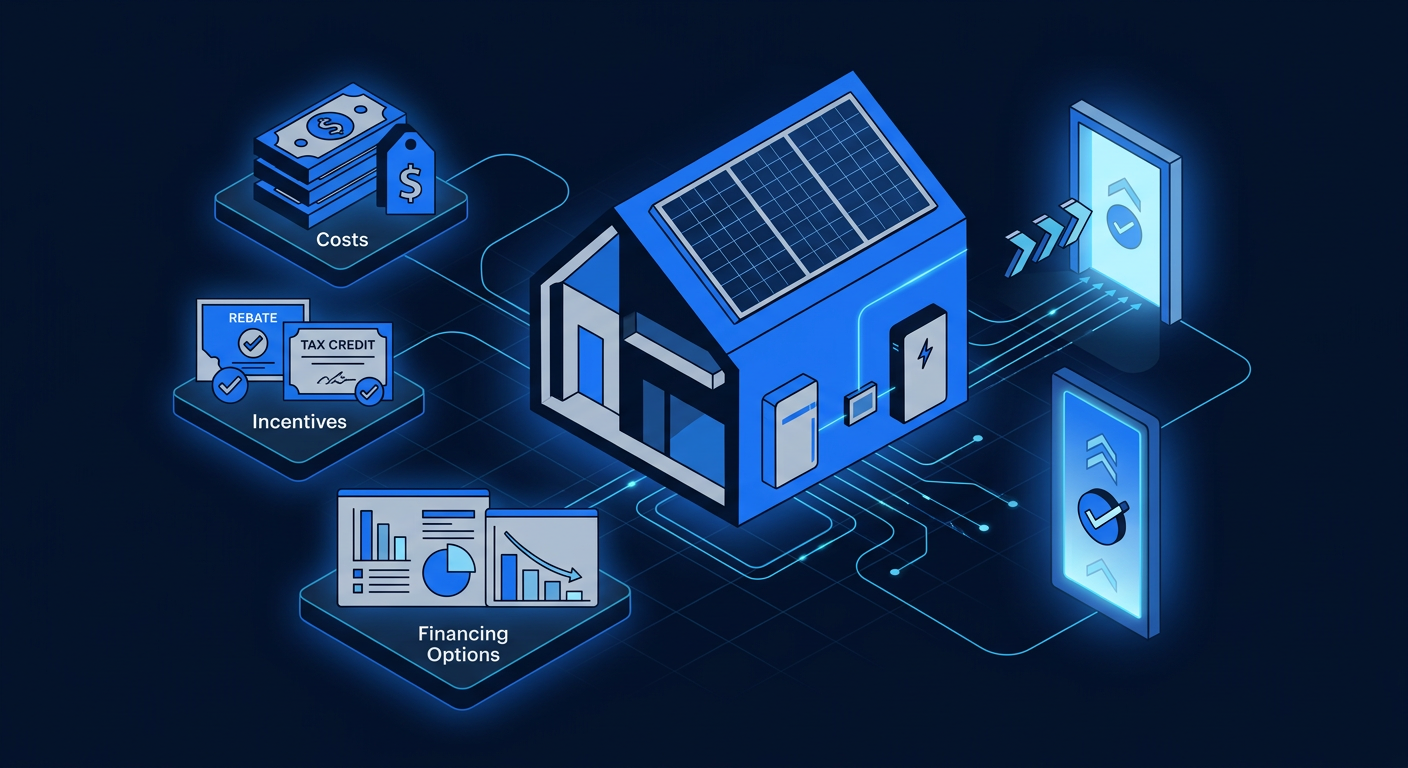
Incentives, tax credits, and potential ROI The federal Investment Tax Credit (ITC) currently covers a percentage of eligible storage costs when requirements are met. Many states and utilities offer rebates (e.g., performance-based demand response). Savings come from avoided outages, TOU arbitrage, and incentive stacking. Payback depends on rates, usage, and program enrollment.
Resilience for medical devices and critical loads For CPAPs, oxygen concentrators, and medication refrigeration, batteries provide quiet, instant backup. Add redundancy with a small generator or prioritize extra capacity if medical dependence is high. Verify run-times based on actual wattage and desired outage duration.
Tesla Powerwall vs. Generac PWRcell costs
How to Choose the Best Home Battery Backup Installation Services Near Me
Licensing, certifications (NABCEP, state electrical), and insurance Ask for the electrical contractor license number, proof of general liability and workers’ comp, and any NABCEP PV Installation Professional or Energy Storage credential. Confirm active status with your state licensing board and verify the name matches the company on your quote.
Brand partnerships (Tesla, Enphase, LG, SunPower) and warranty support Manufacturer-certified installers get faster parts, better escalation, and required firmware tools. Ask which brands they are trained on, how they process RMAs, and their average repair lead times. Look for UL 9540 systems and clear, bankable product warranties.
Project portfolio, reviews, and local utility interconnection experience Request three recent storage projects in your ZIP, including photos and permit numbers. Read third-party reviews for workmanship and post-install service. Utilities and AHJs vary; choose an installer fluent in your utility’s metering, interconnection portal, and inspection steps.
Site assessment quality: load analysis, panel upgrades, code compliance A professional proposal includes a load audit, main panel rating review, and any needed subpanel or service upgrades. Ask to see a preliminary single-line and code references (NEC Articles 706, 705, 690 as applicable). Roof/wall mounting should meet structural and clearance requirements.
Clear proposals: system sizing, equipment list, timeline, and pricing breakdown Insist on a written scope: battery model/count, inverter, gateway/ATS, conduit runs, panel work, monitoring, permits, and inspections. Include estimated start date, installation duration, and contingencies. Show labor vs equipment line items and any travel or change-order rates.
Aftercare: monitoring, maintenance, and emergency support Confirm they enable your app, set rate schedule logic, and test backup modes. Get a service contact, typical response SLA, and whether remote diagnostics are included. Ask if they proactively update firmware and perform annual checks.
14-point install readiness + rebate alerts buyer guide
- Confirm the cover limits match your actual exposure.
- Check the excess and any co-insurance clause.
Federal and state battery incentives explained
Sizing Your System: Capacity, Power, and Backup Priorities
Understanding kWh (capacity) vs kW (power output)
- kWh determines how long you can run loads.
- kW determines how many and how large of loads you can run simultaneously.
A 10 kWh battery at 5 kW continuous supports a refrigerator, lights, Wi‑Fi, and a gas furnace blower for many hours, but may struggle with central AC or EV charging without load management.
Calculating critical loads and outage duration targets List devices, wattages, and hours needed per day. Multiply to get daily kWh. For a 24-hour outage target, size for daily use plus a margin. Consider seasonal peaks: winter heat pumps and summer AC can dominate demand. Right-size to your worst-case scenario or plan to shed big loads.
Single battery vs modular, expandable systems Modular designs scale from one to several batteries as needs grow. Start with essential backup, then add capacity for whole-home or EV loads later. Verify stacking rules for maximum kW and whether parallel inverters are allowed. Ensure your wall can support additional weight and clearances.
Integrating EV chargers, heat pumps, and smart panels
- EV chargers: Use load-shedding relays or smart chargers with backup-aware modes.
- Heat pumps: Consider soft-start and prioritize high-SEER/variable-speed units.
- Smart panels: Let you dynamically shed heavy loads during outages to avoid tripping and extend runtime.
Quick sizing table (illustrative ranges)
Costs, Incentives, and Financing Options

Typical price ranges for equipment and labor in your area Installed costs vary by market, equipment brand, and scope. Expect higher pricing with main panel upgrades, trenching, or long conduit runs. Multi-battery and whole-home configurations raise inverter count and commissioning time. Request a line-item breakdown to see labor, materials, permits, and taxes.
Federal ITC for standalone storage and Federal tax credits can reduce net costs for eligible storage systems. Consult a qualified tax professional to determine eligibility and required documentation. Keep invoices, interconnection approvals, and installation attestations for your records.
State/utility rebates (SGIP, ConnectedSolutions, demand response) Some states offer capacity-based rebates or programs that earn bill credits when your battery discharges during peak events. Check your utility’s approved vendor list and enrollment steps. Availability and budgets change frequently; apply early.
Ownership vs lease/PPA vs financing loans
- Cash/loan ownership: You keep incentives and long-term savings.
- Lease/PPA: Lower upfront cost but fewer incentives and long-term upside.
- HELOC or solar loans: Fixed payments, potential interest deductions—verify with your advisor.
Compare total cost of ownership across 10–15 years including maintenance.
Warranty terms: product, performance, and labor coverage Review battery throughput or cycle limits, capacity retention guarantees (e.g., % after certain years), and inverter warranties. Ask if labor is covered for RMA replacements and who pays diagnostic visits. Warranties vary by brand; get them in writing in your contract.
The Installation Process: What to Expect
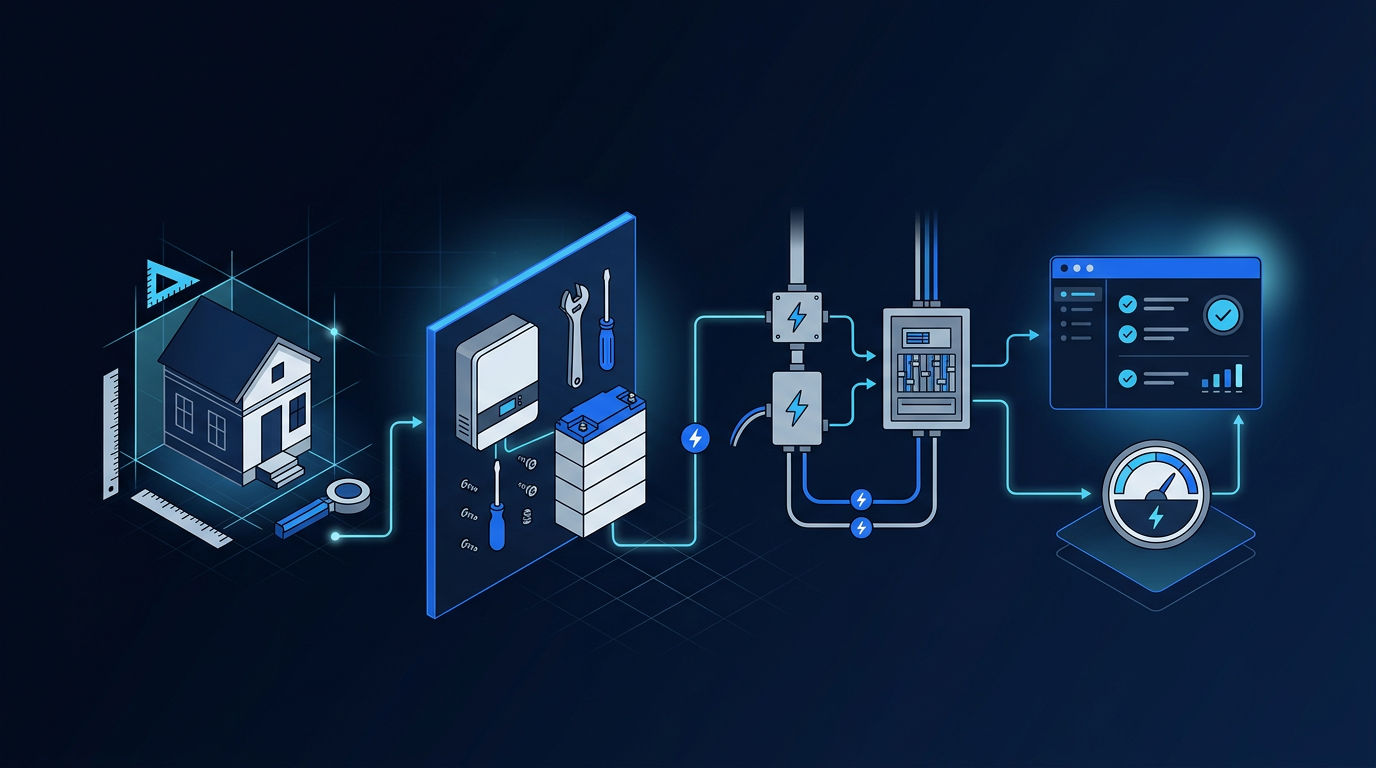
Initial consultation and on-site evaluation Installers gather your usage data, utility rate plan, and outage priorities. A site visit confirms wall space, clearances, panel capacity, grounding, and Wi‑Fi strength. Expect questions about big loads, EV charging habits, and any backup-sensitive medical equipment.
Electrical and structural considerations (main panel, subpanels, ATS) Many homes need a backup subpanel or smart load center to isolate essential circuits. Main panel upgrades are common if you have a 100A service or limited breaker space. The automatic transfer switch or gateway must be mounted within manufacturer-specified distances and clearances.
Permitting, utility approval, and inspection timelines Your installer will submit drawings and a single-line diagram to the Authority Having Jurisdiction (AHJ) and your utility. Timeline depends on local workloads. Inspections verify NEC compliance, labels, conduit, and equipment anchoring. Some utilities require a meter change or PTO letter.
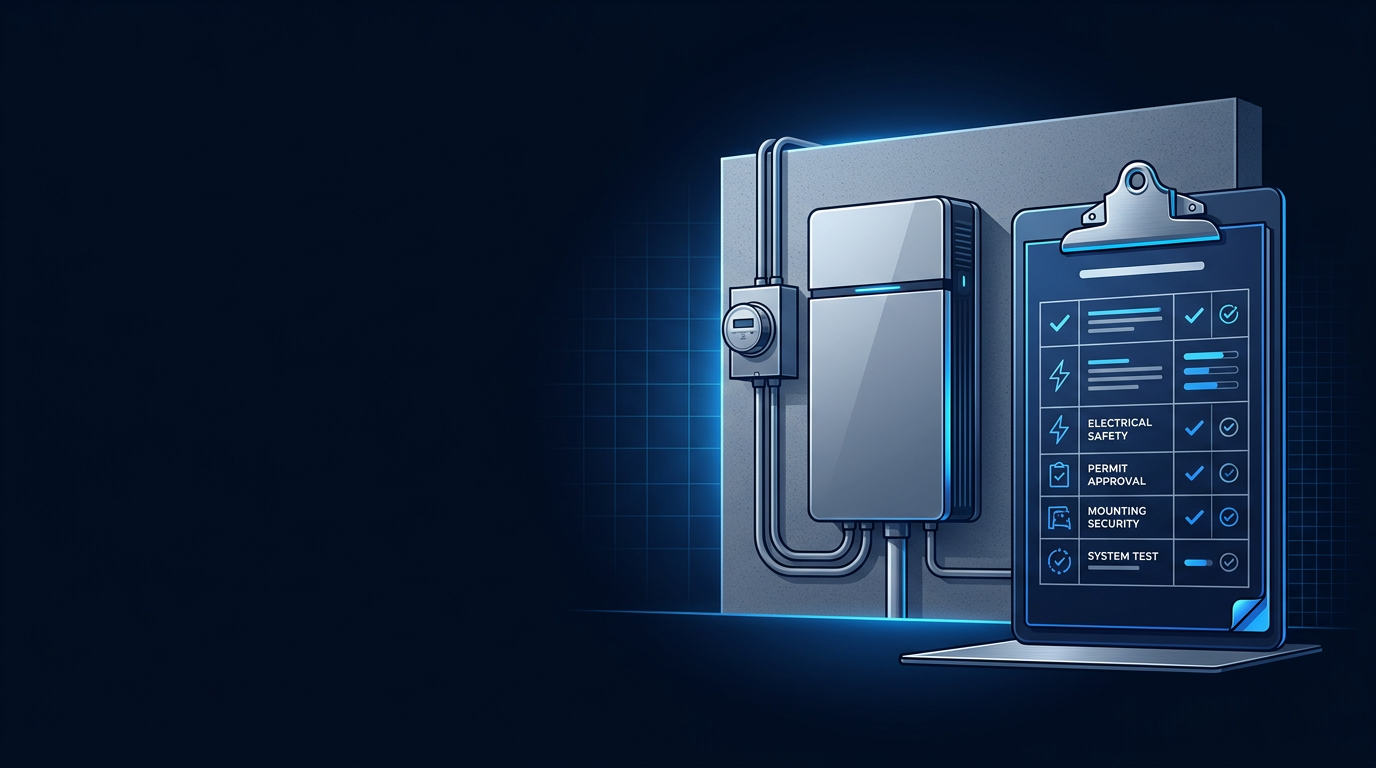
Installation day: safety, outage window, and commissioning Expect a brief planned outage during wiring cutover and gateway setup. Crews mount batteries, run conduit, land conductors, label circuits, and torque check lugs. Commissioning includes firmware updates, app pairing, and functional tests for backup islanding and TOU schedules.
System testing, app setup, and homeowner training Insist on a simulated outage test before the crew leaves. Your installer should demonstrate critical load operation, charge/discharge settings, and event histories. Secure admin credentials, warranty registrations, and support contacts. Schedule a 30-day check-in to review performance data.
Transfer switch and subpanel guide
Top Questions to Ask Installers Near You
Which battery brands do you install and why? You want candid pros/cons, including chemistry, safety testing (UL 9540A), warranty throughput, and service track record. Ask for brand training certificates and typical RMA timelines.
How do you size systems for my outage and TOU goals? Expect a documented load analysis, 24-hour outage scenario, and TOU modeling with graphs. Ask for a version that includes future EV or heat pump additions.
What upgrades might be needed for my electrical panel? Request photos and notes from the site visit. Ask for pricing on a main panel upgrade, backup subpanel, or smart panel. Clarify whether trenching or rerouting is required.
What is the total turn-key price and what’s excluded? Insist on a complete scope: permits, inspections, equipment, labor, monitoring, and commissioning. Identify exclusions like drywall repair, long conduit runs, or structural reinforcement.
How do you handle warranties, service calls, and monitoring? Ask if they offer remote diagnostics, response SLAs, and labor coverage for warranty swaps. Verify who monitors for alerts—you, the installer, or both.
What local projects can I review or visit? Request nearby references, permit numbers, and photos. If available, schedule a brief visit to see equipment placement and labeling.
Local Search Tips to Find the Best Providers Near Me
Use Google Maps, EnergySage, and utility-approved contractor lists Search your city + “battery storage installer.” Look for high volumes of recent reviews. EnergySage can vet installers and standardize quotes. Utilities often publish approved vendor lists for interconnection programs; start there.
Compare at least three quotes with identical specs Standardize on battery count, inverter model, backup scope, and permit requirements. Ask every installer to price the same configuration. Differences then reflect labor efficiencies and margins, not equipment swaps.
Check permit history and complaint records in your city/county Use your city’s permit portal to confirm an installer’s activity and passing inspections. Check state contractor boards and BBB for unresolved complaints. A long, clean track record is a positive signal.
Verify proof of insurance and active licenses Request current COIs for general liability and workers’ comp. Cross-check license numbers against state databases. Decline proposals that cannot provide documentation before a site visit.
Evaluate response time and clarity of proposals Fast, detailed proposals are a proxy for project execution. Look for clear single-line diagrams, labeled photos, and complete warranty PDFs. Slow, vague responses often predict schedule slippage later.
Maintenance, Safety, and Long-Term Performance
Routine checks, firmware updates, and app alerts Review your app monthly for alerts, charge behavior, and peak events. Enable automatic firmware updates and maintain stable Wi‑Fi. Inspect visible conduits and labeling annually; keep the area clear of storage or debris.
Battery lifespan expectations and degradation Lithium batteries degrade gradually over cycles and time. Expect capacity to drop according to the manufacturer’s performance warranty curve. High ambient temperatures and deep daily cycles accelerate wear—optimize settings for longevity if outage needs are modest.
Safety best practices: ventilation, clearance, and code compliance Maintain manufacturer-specified clearances for heat dissipation and service access. Avoid flammable storage nearby. Confirm installations meet NEC labeling and anchoring requirements. Only trained professionals should service enclosures or high-voltage wiring.
When to consider expansion or adding solar If outages lengthen or your loads grow—new EV, heat pump, or home office—expand capacity or add PV. Verify compatibility for stacking additional batteries and whether your inverter supports more solar strings.
Installer buyer guide
- Confirm the cover limits match your actual exposure.
- Check the excess and any co-insurance clause.
- License and insurance verified
- NABCEP/storage credential
- Utility interconnection experience
- Detailed load analysis and single-line diagram
- Clear scope, exclusions, and timelines
- Brand partnerships and warranty documents
- Monitoring setup and service SLAs
Popular battery ecosystem features to compare
- Chemistries and safety testing
- Continuous/peak power and surge handling
- Modular scalability and stacking limits
- Native smart load control or smart panel integration
- App controls for TOU, self-consumption, and storm watch
- Warranty years, cycles, and throughput caps
ZIP code lead form
lead form on the provider’s official site — pricing and terms are updated there first.

Conclusion
The best home battery backup installation services near me combine proven credentials, brand certifications, and meticulous proposals with responsive aftercare. Standardize your specs, verify licenses and insurance, and model both outages and TOU savings. Next step: request three quotes, including a load analysis and single-line diagram, and schedule a site walk with the top two finalists.
FAQ
How long will a home battery power my essentials during an outage?
Runtime depends on capacity (kWh), load size, and usage habits. A 10–13 kWh system often supports essentials—fridge, Wi‑Fi, lights, gas furnace blower—for 12–24 hours, assuming careful use. Add solar to recharge during the day for extended resilience. Actual performance varies; ask your installer for a modeled 24-hour scenario.
Do I need solar panels to benefit from a home battery?
No. Grid-tied batteries still provide outage protection and TOU savings by charging off-peak and discharging during peak hours. However, pairing with solar significantly extends outage runtime and can improve economics by increasing self-consumption where export credits are limited or time-varying.
Is LFP safer than NMC for residential installations?
LFP (lithium iron phosphate) has higher thermal stability and typically longer cycle life, which many homeowners prefer. NMC offers higher energy density and may be more compact. Regardless of chemistry, choose UL 9540/9540A certified systems, follow clearance/ventilation guidelines, and work with certified installers.
What permits and inspections are required?
Most jurisdictions require electrical permits, utility interconnection approval for grid-tied systems, and final inspections. Submittals include a single-line diagram, equipment datasheets, and mounting details. Your installer should manage the process, coordinate meter work if needed, and attend inspections to address AHJ questions.
Can a battery back up my central air conditioner or heat pump?
Yes, but it requires sufficient inverter power (kW), surge handling, and capacity (kWh). Variable-speed systems with soft-start draw are more battery-friendly. Many homeowners prioritize essentials and shed HVAC during outages, or run a smaller zone. Discuss start-up currents and load-shedding strategies with your installer.
What happens if my battery fails under warranty?
Warranty terms differ by brand. Typically, the manufacturer covers replacement parts and may reimburse labor if specified. A manufacturer-certified installer can diagnose remotely, submit RMAs, and expedite parts. Ask for written labor coverage, average turnaround times, and any costs you might incur for site visits.
SOURCES
Sources
- U.S. Department of Energy – Energy Storage Basics
- National Electrical Code NFPA 70 – Article 706 Energy Storage Systems
- UL 9540/9540A Energy Storage Safety Standards
- Database of State Incentives for Renewables & Efficiency DSIRE
- California SGIP – Self-Generation Incentive Program
- Mass Save ConnectedSolutions Battery Program
- EnergySage – Solar and Storage Marketplace