
What Is the Best Online Weight Loss Program with GLP-1 Coaching and Prescription? The best online weight loss program with GLP-1 coaching and prescription blends medical oversight, behavior change, and convenient telehealth. These platforms combine clinician-led evaluations, e-prescriptions for GLP-1 medications when appropriate, and ongoing coaching delivered by app, chat, and video. The goal is safe, sustained fat loss while building skills that keep weight off after tapering medication.
GLP-1–based online weight loss programs use medications that target appetite and satiety, paired with structured coaching. The software layers include symptom check-ins, side-effect prompts, food and activity trackers, and automatic refill workflows. Together they reduce friction, increase adherence, and surface red flags that trigger clinician follow-up.
These programs fit adults with obesity or overweight plus risk factors who prefer virtual care. They help busy professionals, parents, and rural patients who need flexible support. They are less ideal for people with certain endocrine conditions, pregnancy, or a history of specific cancers; a medical intake screens for contraindications before prescribing.
Expect slow, steady progress. Many users see appetite reduction in weeks and measurable weight change by month one to two, with larger shifts between months three and six as doses reach maintenance. Coaching focuses on protein targets, fiber, resistance training, and sleep. Over time, plans emphasize dose stability, side-effect mitigation, and relapse prevention.
See current pricing on the provider’s official site — pricing and terms are updated there first.
GLP-1 side effects and safety
Key takeaways
- GLP-1s curb appetite and slow gastric emptying; pairing meds with coaching improves adherence and outcomes.
- The best online programs offer board-certified clinicians, structured titration, wearable sync, and rapid e-prescriptions.
- Verify eligibility requirements, pharmacy network, costs, and cancellation policies before enrolling.
- Expect noticeable changes by weeks 4–8 and larger weight loss by months 3–6, with ongoing coaching to maintain results.
How GLP-1 Medications Work for Weight Loss
GLP-1 receptor agonists mimic a hormone that signals fullness and regulates blood sugar. They increase satiety, decrease hunger, and slow gastric emptying, which reduces meal size and snacking. They also enhance glucose-dependent insulin secretion, limiting post-meal spikes. These mechanisms together support a consistent calorie deficit without relying solely on willpower.
Common options for weight loss include semaglutide and tirzepatide, which has combined GLP-1/GIP activity. Brand formulations approved for chronic weight management have specific dosing and indications. Off-label use of diabetes formulations can occur with appropriate medical oversight. Co-prescribed antiemetics or dietary tactics may be used for side-effect control.
Dosing follows a step-up titration to improve tolerability. Weekly injectables generally start at a low microdose, increasing every four weeks until an effective maintenance dose is reached. Coaches coordinate dose timing with meal routines, hydration, and protein intake. If adverse effects occur, titration pauses or down-titration may be advised.
Safety involves screening for personal or family history of certain endocrine tumors, gallbladder disease, pancreatitis, severe GI disease, or planned pregnancy. Clinicians review all medications for interactions and assess kidney status. Users receive clear guidance on red-flag symptoms—persistent vomiting, severe abdominal pain, dehydration—and escalation steps.
Key Features of the Best Online GLP-1 Coaching and Prescription Programs
The strongest programs staff board-certified obesity medicine physicians, endocrinologists, or experienced NPs/PA-Cs using evidence-based protocols. They standardize eligibility criteria, titration schedules, and monitoring, while leaving room for individualization. Clear clinical pathways minimize delays and medication errors.
Personalized coaching aligns nutrition, activity, and behavior with medication effects. Coaches help set protein targets, fiber goals, resistance training plans, and sleep routines. They troubleshoot side effects with meal timing, hydration, and pacing strategies. Behavior techniques—stimulus control, habit stacking, and relapse planning—support long-term adherence.
Medication management includes structured eligibility screening, e-prescriptions to in-network pharmacies, and refill reminders. Programs handle prior authorizations when possible and guide users through coverage appeals. For those without coverage, they surface manufacturer savings resources where eligible and discuss risks and legality before any compounded consideration.
Robust data tracking integrates app-based food logs, connected scales, and wearables. Dashboards trend weight, waist, steps, sleep, and adherence. Automated nudges prompt check-ins after dose changes. Clinicians see side-effect severity and can adjust titration or recommend labs. Exportable reports support coordination with primary care.
Access matters. Look for same-week virtual consults and chat responses within a business day. The best programs offer extended hours or weekend coverage, plus clear escalation protocols. A defined handoff to in-person care exists for emergencies or issues requiring physical exam, imaging, or IV rehydration.
How to Choose the Best Online Weight Loss Program with GLP-1 Coaching and Prescription
Start with a medical eligibility assessment. A thorough intake captures BMI, weight history, comorbidities, medications, pregnancy plans, and GI history. Some programs order baseline labs—A1C, lipids, CMP—especially with metabolic risk. Others coordinate labs via local partners or accept recent results uploaded securely.
Vet clinician qualifications and program accreditation. Look for board certification in obesity medicine or endocrinology, or primary care with obesity training. Ask about supervisory structures, chart review frequency, and prescribing policies. Programs aligned with established guidelines and with medical director oversight tend to be safer and more consistent.
Cost clarity prevents surprises. Compare monthly program fees, medication copays or cash pay ranges, shipping, follow-up visit charges, cancellation rules, and refund terms. Transparent pricing pages and written estimates after consult protect you. Good programs also disclose any third-party lab fees and whether they pass through at cost.
User reviews and outcomes data add confidence. Scan third-party ratings and published aggregate results across 3, 6, and 12 months. Look for retention rates, average weight change, and side-effect discontinuation rates. Verified case studies with methodology hold more value than anonymous testimonials or marketing claims.
Pricing: What You’ll Pay for GLP-1 Coaching and Prescriptions Online
Insurance can offset significant costs, but prior authorization is common. Programs often submit documentation and provide support letters. Some manufacturers offer savings cards for eligible patients with commercial insurance but not government plans. Appeals may require proof of prior therapies or comorbidities. Timelines range from days to a few weeks.
Compounded options exist in some jurisdictions but carry important safety and legality considerations. Quality varies across compounders, and not all formulations are bioequivalent to branded products. Discuss risks, sourcing transparency, and regulatory posture with your clinician. When available, FDA-approved products from licensed pharmacies remain the standard.
Watch for hidden fees. Labs drawn externally may incur separate charges. Some programs bill for expedited consults, missed appointments, or follow-ups. Shipping and cold-chain packaging can add costs for mail-order. Clarify whether scale or wearable integrations are included or billed as add-ons.
Safety, Side Effects, and Support
Nausea, fullness, constipation, diarrhea, and belching are common early. Coaching helps by recommending smaller meals, slower eating, adequate hydration, electrolytes, and protein-forward choices. Ginger tea, short walks after meals, and avoiding high-fat heavy meals around dose day can also ease symptoms.
Dose adjustments are normal. If symptoms persist beyond a few days or impair daily function, clinicians pause titration or step back to the prior dose. Temporary treatment holds can help after GI illnesses or travel disruptions. Programs track symptom scores weekly during titration to guide safe decisions.
Contraindications include certain endocrine tumor syndromes, prior pancreatitis, or severe gastroparesis. Caution is needed with gallbladder disease, kidney impairment, and in combination with other glucose-lowering agents. Ongoing monitoring may include kidney function, gallbladder symptoms, and A1C for those with prediabetes or diabetes.
Emergency protocols should be explicit. Severe, persistent abdominal pain, signs of dehydration, or allergic reactions require urgent evaluation. Quality programs provide after-hours guidance, local urgent care options, and handoffs to primary care or ER. They also document criteria after any acute event.
What Results to Expect and How Long They Take
Early weeks often bring appetite reduction and fewer cravings. Visible weight change commonly appears by weeks four to eight as titration progresses. By months three to six, many reach effective doses and see more rapid fat loss. Programs monitor waist, body composition if available, and energy to capture whole-body benefits.
Plateaus happen as metabolism adapts. Coaches may adjust protein targets, resistance training volume, sleep routines, and fiber intake. Clinicians can extend titration, hold at a well-tolerated dose longer, or consider alternate agents if appropriate. Avoid aggressive calorie cuts that worsen fatigue or side effects.
Non-scale victories matter. Improved fasting glucose, lower post-meal spikes, decreased blood pressure, and better sleep quality are common. Users often report steadier energy, reduced joint pain, and more confidence in meal planning. Tracking these alongside weight maintains motivation and signals cardiometabolic improvement.
Maintaining results requires a glide path. As hunger cues return during dose stabilization or taper, coaching reinforces meal structure, strength training, and relapse-prevention habits. Some remain on lower maintenance doses long term under clinician guidance. Others transition to lifestyle-only plans with periodic check-ins.
Step-by-Step: Getting Started with an Online GLP-1 Program
Begin with an intake questionnaire covering medical history, medications, weight trajectory, lifestyle, and goals. Upload recent labs if available. Consent forms outline telehealth policies, privacy, and prescription practices. This prework enables a focused clinical consult and speeds eligibility decisions.
Next is a virtual consult. A clinician verifies history, screens for contraindications, and may order labs such as A1C, CMP, and lipids, especially with metabolic risk. Programs coordinate local draws or mail kits. Lab results inform safety decisions and help tailor nutrition and activity plans.
If appropriate, a prescription is issued and routed to an in-network pharmacy. You’ll receive titration instructions, dose-day tips, and a side-effect action plan. A connected scale or app prompts baseline measurements. Shipping updates and prior authorization status appear in your dashboard with expected timelines.
Coaching starts immediately. Expect weekly touchpoints during titration, then biweekly or monthly at maintenance. Track weight, appetite, protein intake, steps, and sleep in the app. Coaches adjust goals, troubleshoot side effects, and celebrate milestones. Clinicians review progress periodically and handle refills and dose changes.
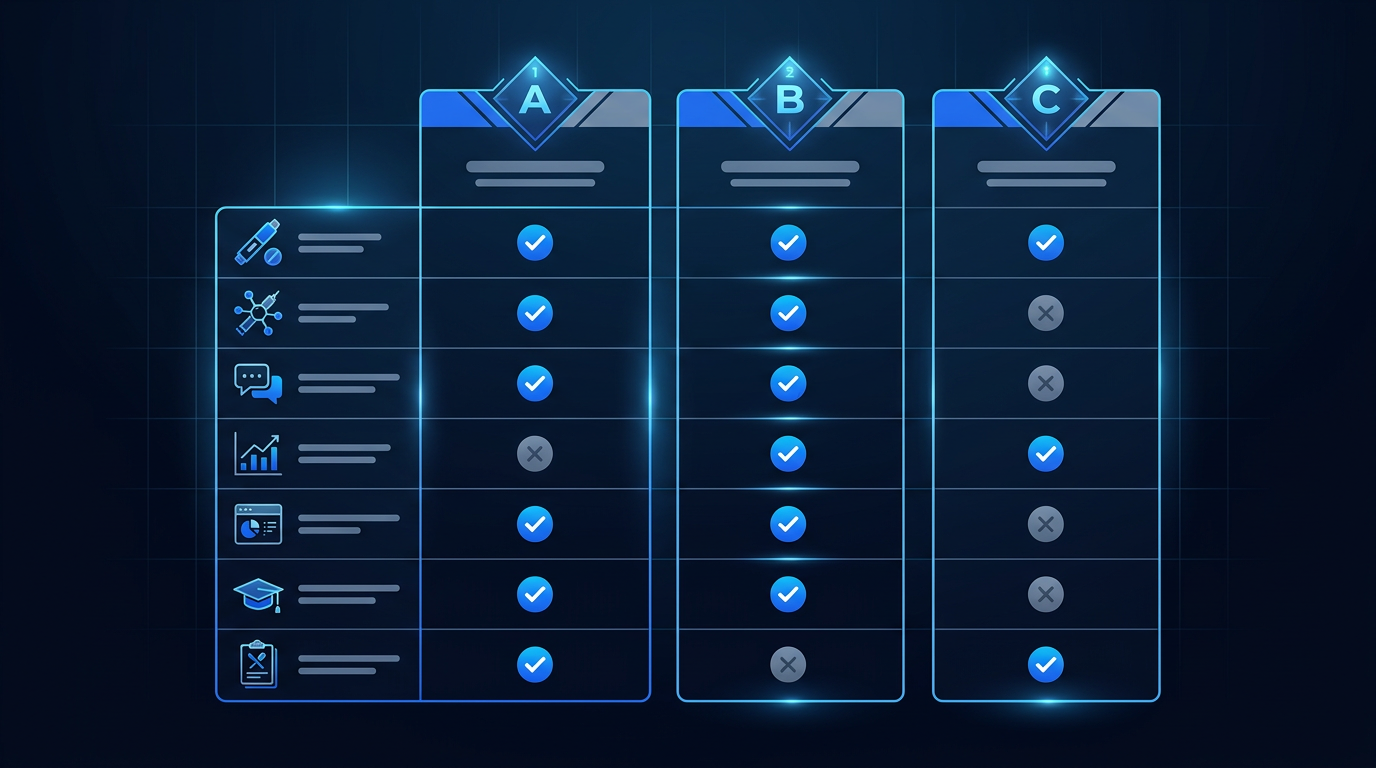
Comparison snapshot: What top programs include
- Clinician caliber: Board-certified oversight, obesity medicine training, structured pathways.
- Coaching depth: Nutrition periodization, strength plans, behavior change methods.
- Medication access: Prior authorization support, pharmacy network breadth, refill reliability.
- Tech: Wearable sync, connected scale, predictive side-effect prompts, exportable reports.
- Support: Response times, after-hours coverage, escalation protocols, primary care coordination.
- Verify board certification and medical director oversight.
- Request written cost scenarios for starter, mid, and maintenance doses.
- Review cancellation and refund terms in plain language.
- Examine outcomes data beyond testimonials.
Essential Documents to Prepare
- Recent labs if available (A1C, CMP, lipids).
- Medication list with dosages and timing.
- Insurance card and prior denial letters if any.
- Weight history, comorbidities, and prior weight-loss therapies.
Hidden Pitfalls to Avoid
- Committing before understanding medication availability.
- Overlooking follow-up visit fees or refill consult charges.
- Relying on compounded products without vetting source quality.
- Ignoring plan requirements for ongoing documentation.
Wegovy vs. Zepbound vs. Ozempic
Pricing Realities: Scenarios and Planning
- With coverage: Program fee plus variable copay; PA process length depends on plan rules.
- Without coverage: Cash pay can be significant; ask about manufacturer resources if eligible.
- Compounded: Only with informed consent and verified supplier quality; confirm legality in your state.
GLP-1 coverage & cost buyer guide
Everything we verify before recommending GLP-1 coverage & cost, condensed into a short practical resource you can work through in about ten minutes.
- Confirm GLP-1 coverage & cost matches your actual situation and budget.
- Write down the criteria that matter most before you compare prices.
- Check the total cost over twelve months, not the headline figure.
- Read the cancellation and refund conditions before you commit.
Open the guide on the provider’s official site — pricing and terms are updated there first.
Prefer it by email?
Add your address and we send it straight to your inbox, along with the updates we publish on this topic.
One email at a time and you can unsubscribe with a single click. Some links earn us a commission, and that never changes what we recommend.
Non-GLP-1 weight loss telehealth options
Conclusion: Choose the Best Online Weight Loss Program with GLP-1 Coaching and Prescription
The best online weight loss program with GLP-1 coaching and prescription integrates expert clinicians, structured titration, and behavior coaching with reliable medication access. Verify eligibility, pricing, pharmacy logistics, and support hours before you start. Next step: complete a reputable program’s eligibility check and request a written cost and timeline estimate for your situation.
FAQ
What BMI or conditions make me eligible for GLP-1 weight loss programs?
Most programs follow medical guidance that prioritizes adults with obesity or those who have overweight plus weight-related conditions. Eligibility also weighs your medication history, lab results, and safety considerations. An intake consult confirms indications, rules out contraindications, and aligns expectations on dosing, coaching frequency, and monitoring.
How fast will my GLP-1 prescription be approved and delivered?
Timelines vary. If insurance requires prior authorization, expect several days to a few weeks depending on plan responsiveness. Mail-order shipping adds a few days once approved. Programs show status updates in-app and may suggest local pharmacy pickup when stock is available. Clear documentation and prompt responses speed the process.
Can I switch GLP-1 medications or pause treatment if needed?
Yes, with clinician guidance. Switching may occur for side effects, supply issues, or efficacy. Pauses are common during illness, travel, or procedure prep. Your clinician will outline taper or restart protocols, monitor for returning hunger, and adjust coaching to preserve progress while minimizing rebound.
What if I don’t tolerate GLP-1 side effects?
First-line strategies include slower titration, dose holds, meal timing, hydration, and protein-forward meals. Coaches provide practical tactics and symptom tracking. If issues persist, clinicians consider antiemetic support, alternative dosing days, or switching agents. In rare cases, discontinuation may be appropriate with a transition plan for ongoing weight management.
How does online coaching coordinate with my primary care physician?
Quality programs share summaries and lab reports upon request and encourage you to inform your PCP of your plan. They delineate roles: telehealth manages weight therapy and monitoring, while your PCP oversees broader preventive care and comorbidities. Escalation protocols direct urgent issues to local in-person care when necessary.
How do wearables and connected scales improve outcomes?
They streamline consistent tracking. Automatic weight, step, sleep, and HR data surface trends and adherence patterns. Coaches use this to tailor protein targets, training volume, and recovery. Alerts after dose changes prompt check-ins, helping catch side effects early. Better data reduces guesswork and supports timely adjustments.